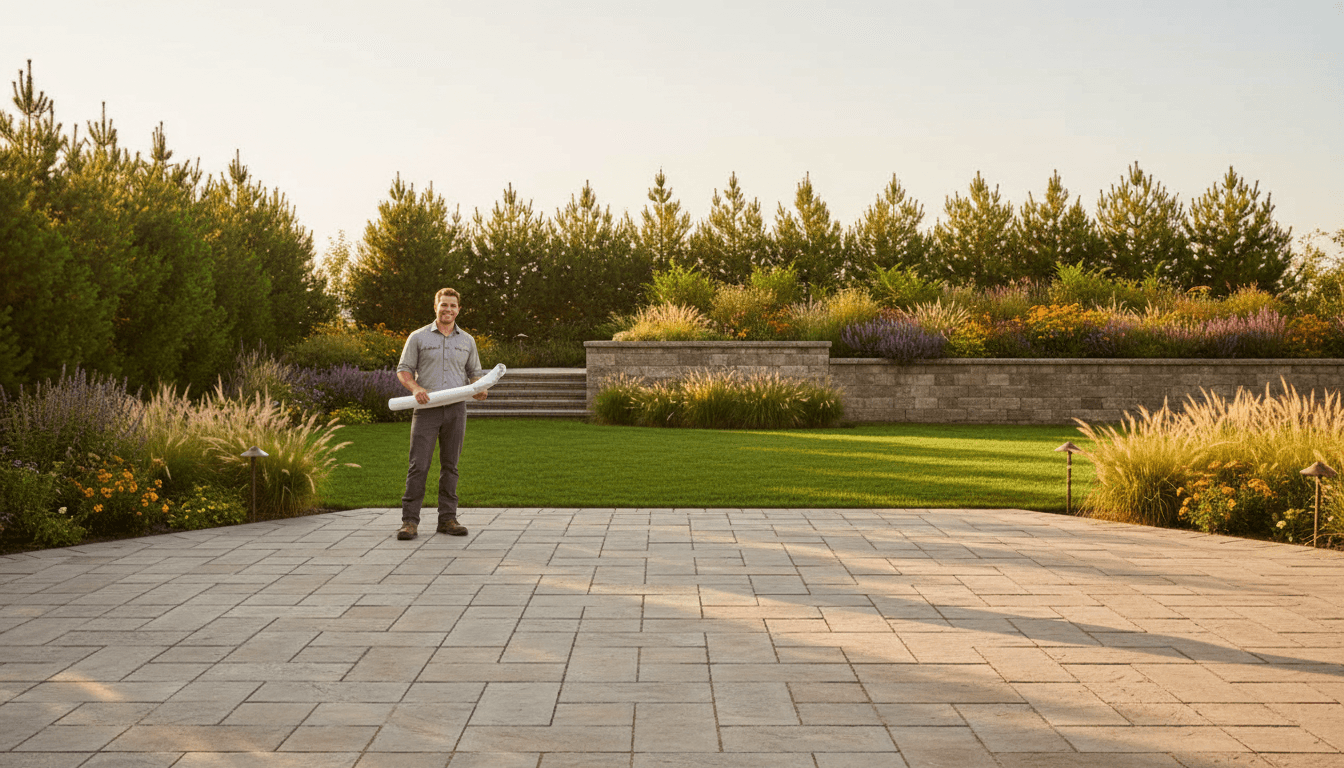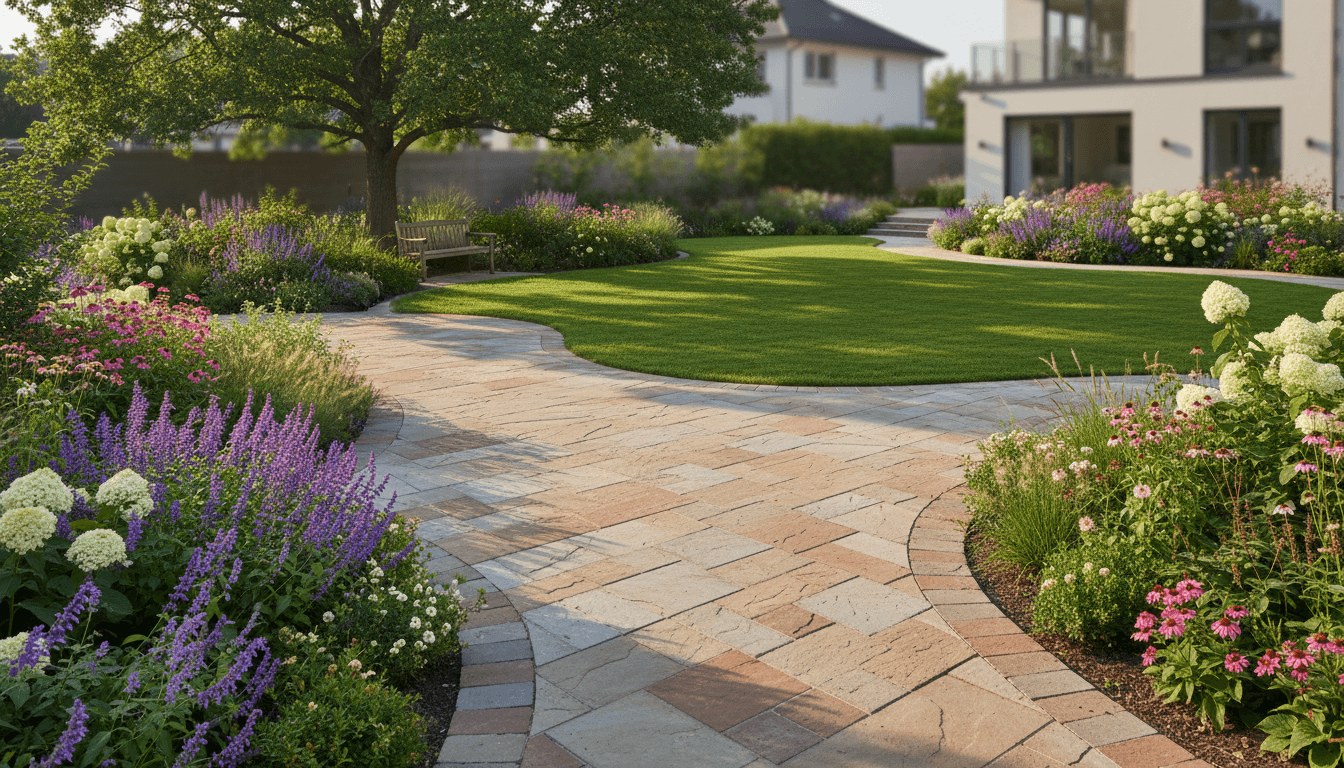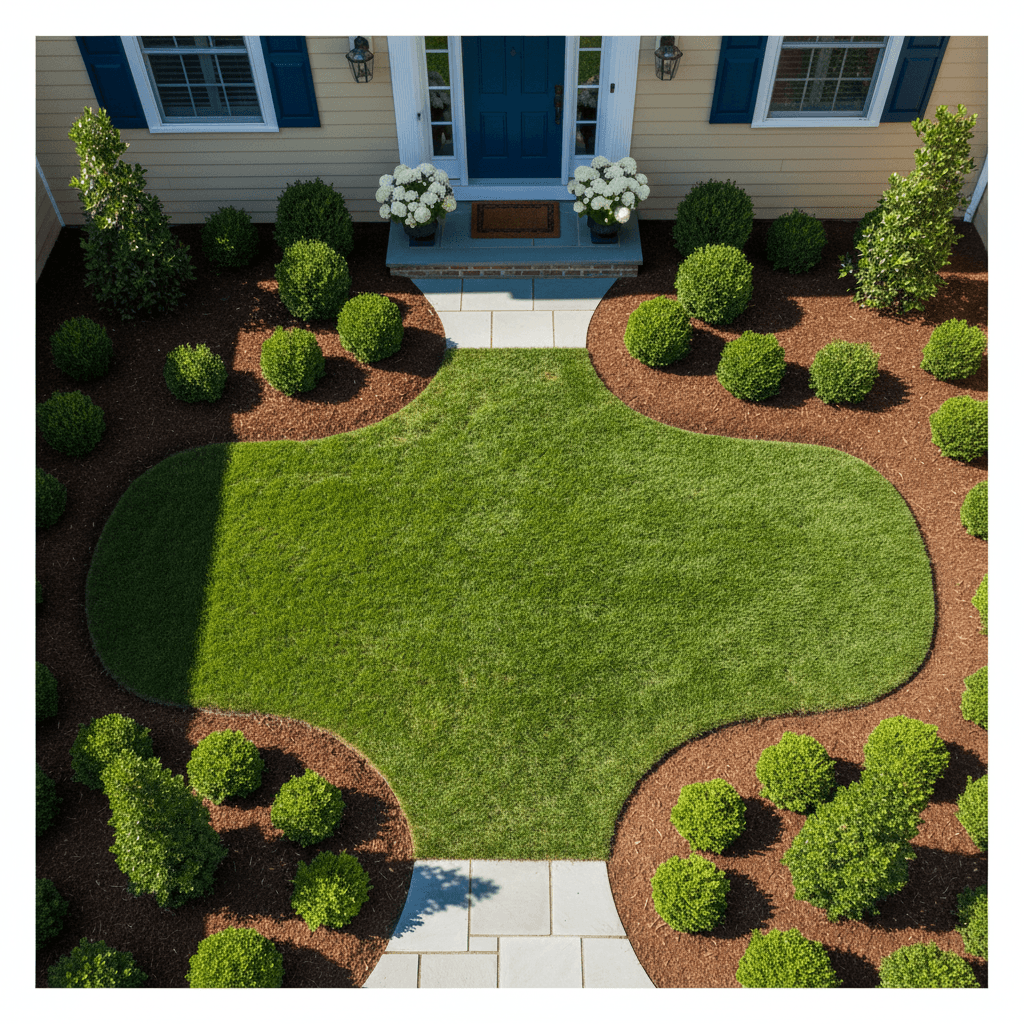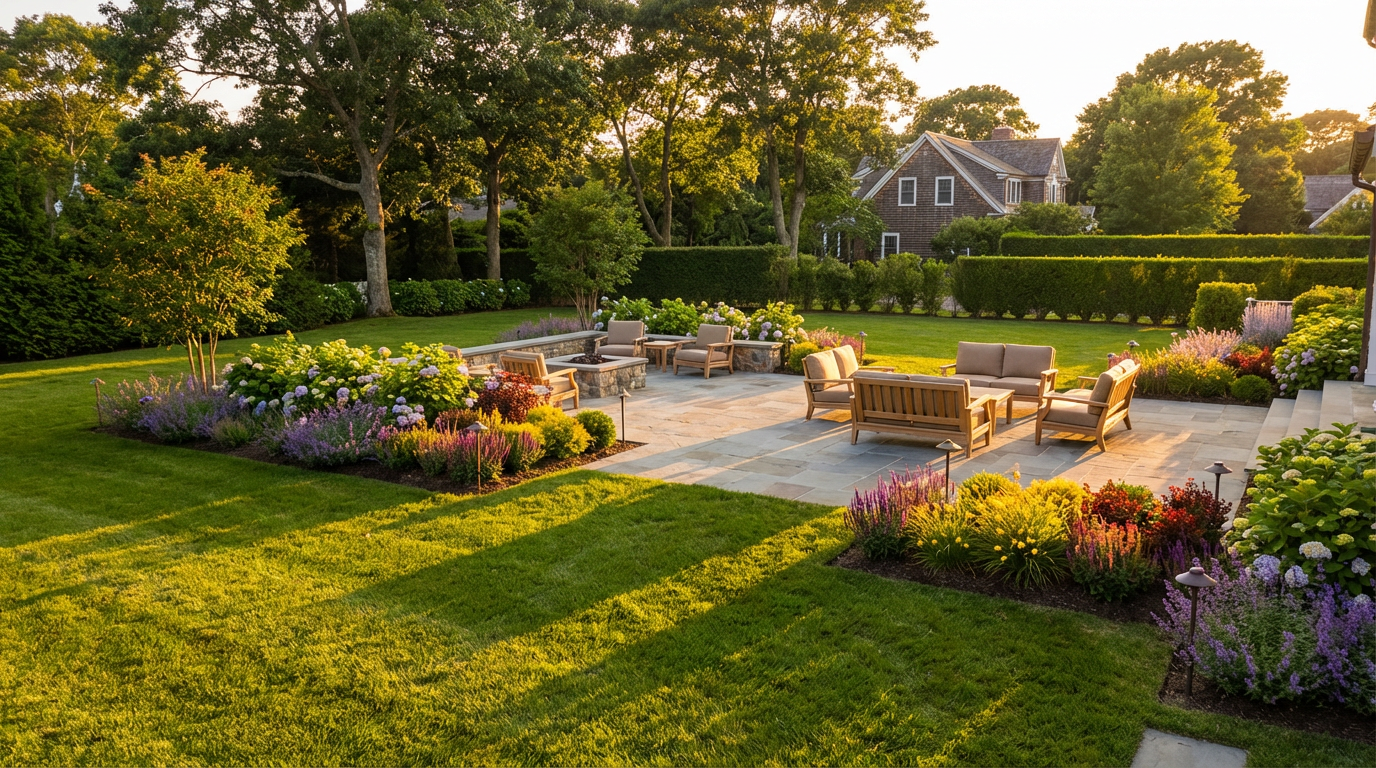
Achieving backyard landscaping on a budget Utah involves prioritizing waterwise Localscapes and native plants that thrive in the local climate without high maintenance costs. Homeowners can create a professional look for $2,000 to $5,000 by focusing on basic designs, functional garden beds, and strategic lawn replacements that qualify for local water conservation incentives.
Transforming a Utah backyard often feels like a choice between an unfinished dirt patch and a five-figure investment that breaks the bank. This financial pressure is particularly acute in our unique high-desert climate, where irrigation costs and soil quality can quickly inflate a project's bottom line. However, achieving a professional, polished aesthetic does not require a blank check; strategic planning outperforms a massive budget every time. In this guide, we share expert secrets for maximizing every dollar, from the Rule of Three design principle to selecting cost-effective ground covers for the Wasatch Front. You will discover how to phase a five-thousand-dollar transformation, incorporate affordable hardscaping alternatives, and select water-wise plants that reduce long-term maintenance costs. We are pulling back the curtain on professional techniques to help you build a high-end landscape without the high-end price tag.
The Real Cost of Landscaping in Utah: Setting a Realistic Budget
Establishing a budget is the most critical step in transforming your property. In Utah, homeowners often find that basic to mid-level landscaping designs range between $2,000 and $5,000. While Salt Lake City homeowners may face higher labor premiums, property owners in Fillmore benefit from more accessible local logistics, though material costs for items like stone and sod remain relatively stable statewide.
Understanding the difference between essential infrastructure and aesthetic upgrades helps prioritize every dollar. A professionally installed sprinkler system, for example, typically costs between $2,000 and $5,000 depending on the zones and acreage. This is a non-negotiable foundation for any yard in our arid climate. Once the irrigation and grading are secure, you can then allocate remaining funds to softscaping, such as plants and mulch, which often start around $1,500 for a modest layout.
Project Component | Estimated Cost Range (Utah) |
|---|---|
Sprinkler Systems | $2,000 – $5,000 |
Basic Softscaping (Plants/Mulch) | $1,500 – $5,000 |
Fencing (per linear foot) | $15 – $60 |
Concrete Pavers/Hardscaping | $10 – $50 per sq ft |
A common industry standard is to invest approximately 10 percent of your home value into the exterior to boost curb appeal and property value. However, achieving reliable professional landscaping does not require a massive upfront payment. You can start with a smaller, high-impact budget by focusing on the backyard's bones first. By addressing the grading and water management now, you prevent costly rework later when you are ready to add more expensive features like pavers or mature trees. Navigating backyard landscaping on a budget Utah homeowners can afford starts with these essential, functional priorities.
The Rule of Three: A Designer Secret for Affordable High-End Results
Creating a high-end look while managing backyard landscaping on a budget Utah requires discipline more than a large checkbook. Professional designers use the "Rule of Three" to ensure visual harmony without overspending. This principle suggests limiting your primary design elements to three distinct variations in color, texture, or height.
Limiting your palette prevents the cluttered, DIY appearance that often happens when too many mismatched materials are purchased on sale. For a sophisticated Utah landscape, consider a palette of charcoal gray basalt or limestone, dark chocolate wood mulch, and the dusty green of native sagebrush. This combination provides a clean, intentional contrast that looks expensive despite the modest cost of materials.
Texture follows the same logic. You might pair smooth river pebbles, fibrous mulch, and the fine foliage of ornamental grasses. For vertical interest, arrange plants in three tiers: a low ground cover like creeping thyme, mid-sized shrubs like lavender, and a focal point like a serviceberry tree. This layering creates depth and makes a smaller project feel expansive. By repeating these three elements throughout the property, you establish a sense of rhythm that signals reliable professional landscaping to any observer.
Cheapest Ground Cover Options for Utah Backyards
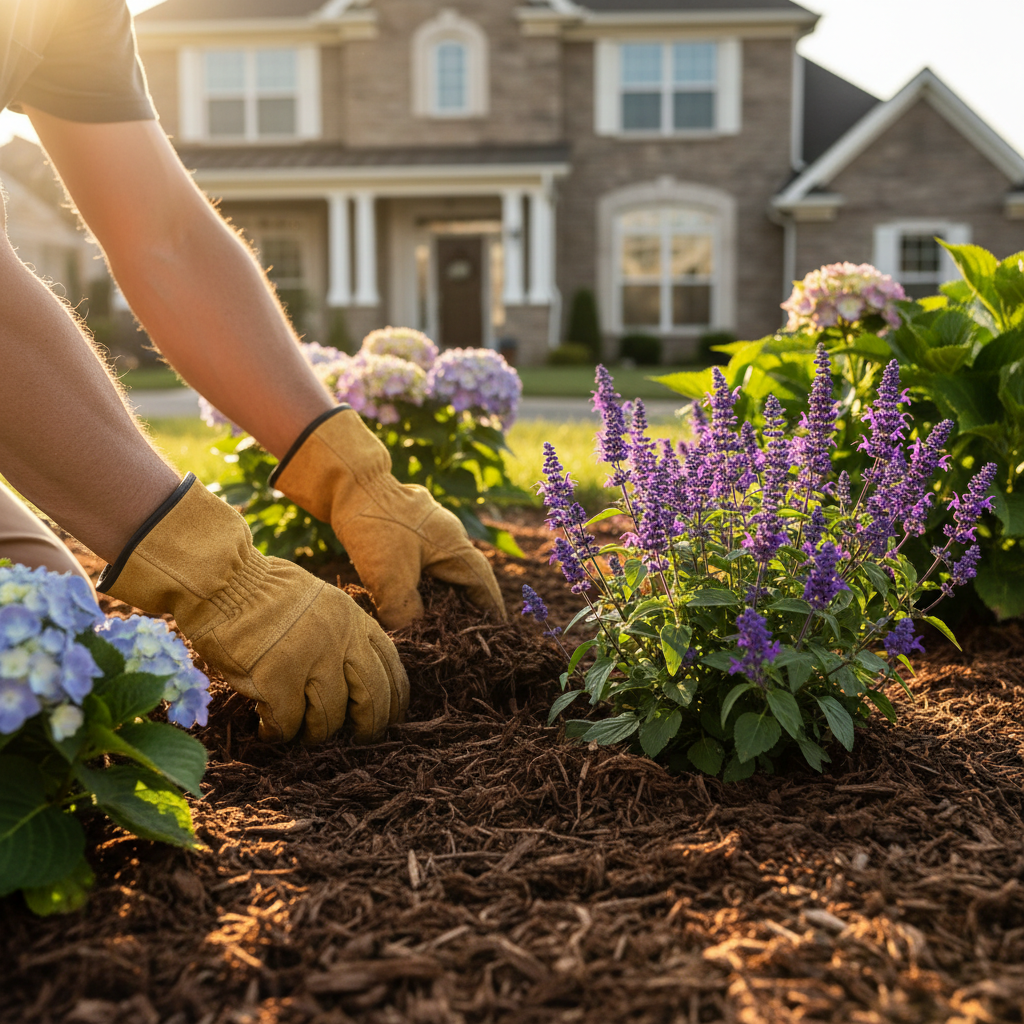
Selecting the right material for expansive surface areas determines your total spend more than any other single factor. While traditional sod remains a staple, it requires a significant investment in both installation and ongoing water usage. For homeowners managing backyard landscaping on a budget Utah climate demands, shifting toward inorganic or drought-tolerant ground covers provides the most immediate relief for your wallet.
Artificial turf is a frequent request in Millard County due to its low maintenance, yet its steep upfront cost of $8 to $20 per square foot removes it from the true budget category. In contrast, wood mulch and crushed rock are the most cost-effective ways to cover large sections of a yard while maintaining a clean, intentional look.
Ground Cover Option | Estimated Cost per Sq. Ft. | Primary Benefit |
|---|---|---|
Wood Mulch | $0.20 – $0.70 | Lowest cost; improves soil over time |
Pea Gravel | $0.80 – $1.50 | Excellent drainage; clean aesthetic |
Crushed Rock/Road Base | $0.60 – $1.25 | Durable; ideal for high-traffic paths |
Traditional Sod | $1.00 – $2.50 | Classic look; natural cooling effect |
Artificial Turf | $8.00 – $20.00 | Zero water; permanent green |
To ensure these budget-friendly materials look like reliable professional landscaping, the preparation phase is non-negotiable. Before laying pea gravel or crushed rock, install a heavy-duty, commercial-grade landscape fabric. Avoid the thin, plastic-like liners often sold in big-box stores; these tear easily and fail to stop weeds. High-quality woven fabric allows the soil to breathe and water to drain while providing a barrier that prevents your stone from sinking into the dirt. Overlap the fabric edges by at least six inches and secure them with steel sod staples every three feet. This professional step drastically reduces long-term maintenance costs and keeps your gravel looking sharp for years.
Water-Wise Planting: Saving Money Today and Tomorrow
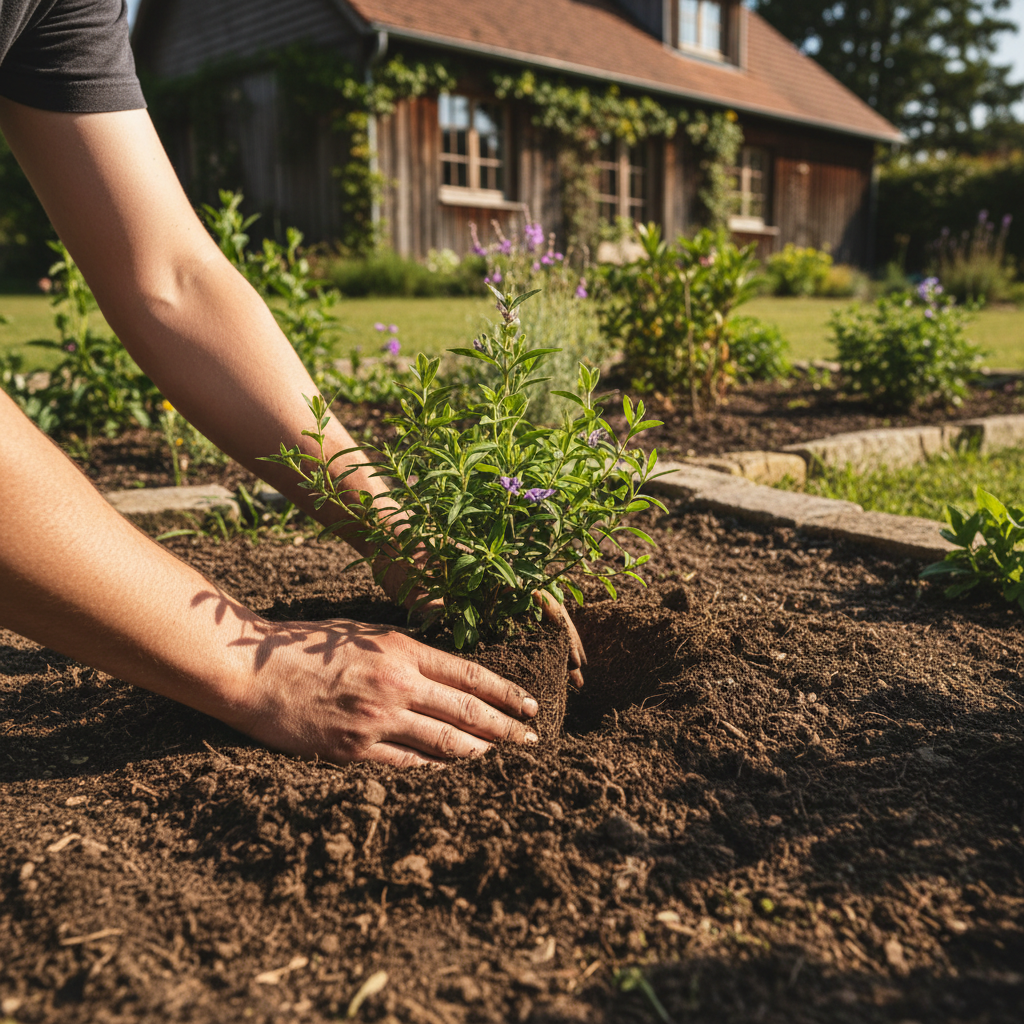
Choosing the right vegetation is the most effective way to lower the long-term cost of backyard landscaping on a budget Utah homeowners manage each season. We recommend adopting the "Localscapes" approach, a method specifically designed for our state's unique climate that prioritizes functional turf and water-efficient planting zones. By organizing your yard into specific water-use areas, you can significantly reduce your monthly utility bills while ensuring your plants thrive in Fillmore's arid environment.
Plants native to the region are naturally adapted to our soil and precipitation levels, requiring far less maintenance and supplemental irrigation. Several affordable, hardy options include:
Rabbitbrush: A tough native shrub that offers striking yellow blooms in late summer.
Lavender: Highly drought-tolerant once established, providing both visual appeal and fragrance.
Serviceberry: A multi-stemmed shrub or small tree that delivers year-round interest with spring flowers and vibrant fall foliage.
A common mistake is spending hundreds of dollars on mature, five-gallon or fifteen-gallon nursery stock to get an instant look. Instead, buy smaller "starter" plants in one-gallon or even four-inch pots. In Utah’s heavy soil, these smaller plants often establish their root systems more efficiently and with less transplant shock than larger specimens. Within two or three seasons, a smaller starter plant will often catch up to or even surpass the growth of a larger, more expensive plant that struggled to adapt.
For residents seeking detailed species recommendations, the USU Extension offers comprehensive plant lists tailored to Millard County. Using these resources to select site-appropriate plants ensures you achieve reliable professional landscaping that remains sustainable and affordable for years to come.
Affordable Hardscaping: How to Get the Look of Stone for Less
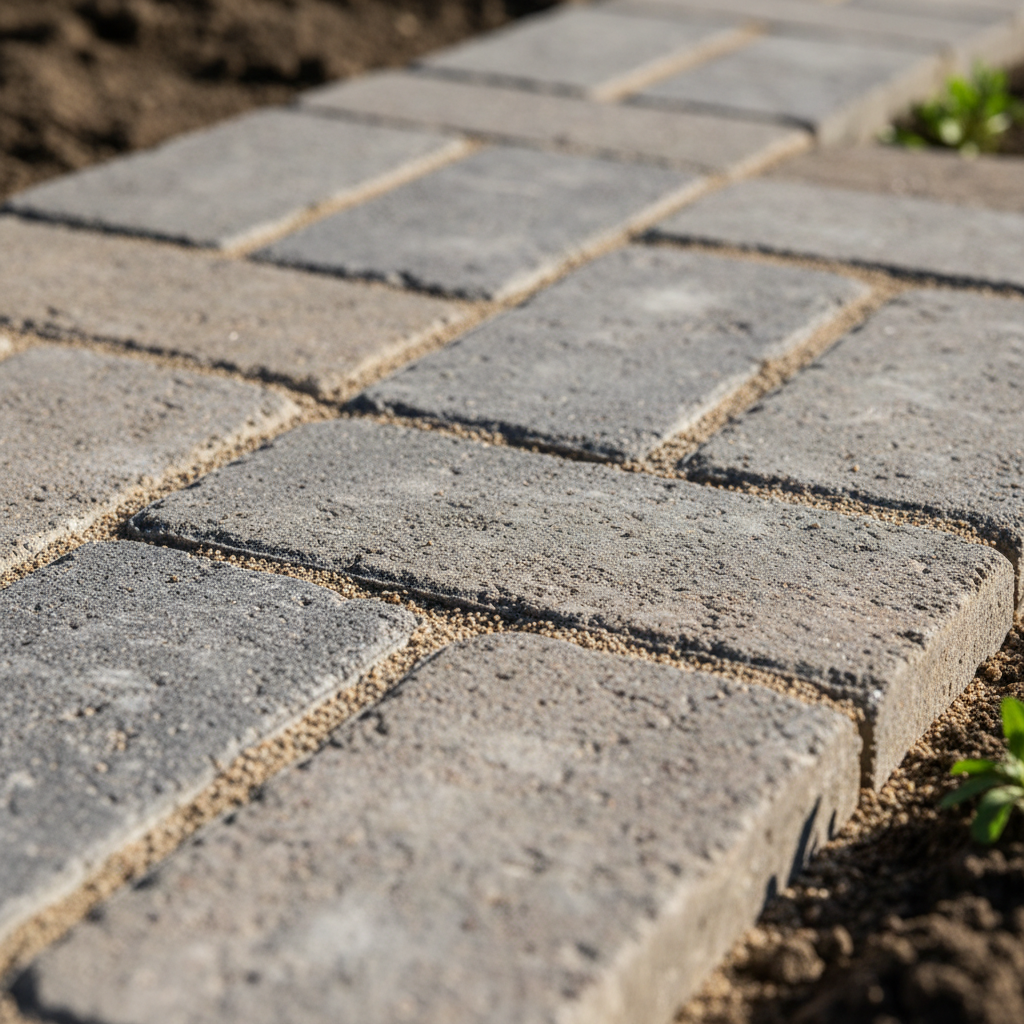
Hardscaping provides the structural foundation for any yard, yet it is often the most expensive component. Natural flagstone or granite can easily exceed $30 to $60 per square foot when factoring in the specialized labor required for fitting irregular shapes. To achieve a similar aesthetic without the premium price, consider concrete pavers or stamped concrete. Modern pavers offer high durability and consistent textures that mimic natural stone, typically costing between $10 and $25 per square foot installed.
Hardscape Material | Estimated Cost per Sq. Ft. | Best Use Case |
|---|---|---|
Natural Flagstone | $30 – $60 | Focal points, accent paths |
Concrete Pavers | $10 – $25 | Patios, high-traffic zones |
Stamped Concrete | $12 – $20 | Large entertaining areas |
Crushed Stone/Gravel | $1 – $3 | Low-traffic fillers, edges |
A smart strategy for backyard landscaping on a budget Utah homeowners can implement involves using premium materials sparingly. Designate a high-traffic anchor area, such as a small bistro seating zone, using professional pavers. Surround this central feature with affordable crushed limestone or pea gravel to fill the remaining square footage. This hybrid approach ensures you receive reliable professional landscaping where it matters most while controlling total expenses. To ensure the finished product looks high-end, prioritize clean, straight lines. Crisp geometric layouts signal intentional design, even when using basic materials, helping to boost curb appeal and property value through sophisticated simplicity.
Phase Your Project: The Strategy for a $5,000 Backyard Transformation
Spreading the investment over several years is the most effective way to manage backyard landscaping on a budget Utah residents can sustain. By phasing the work, you avoid cutting corners on fundamental infrastructure, ensuring that your initial spend supports all future additions. This methodical approach allows for reliable professional landscaping that grows in value as the plants mature.
Phase | Primary Focus | Estimated Allocation |
|---|---|---|
Year 1 | Grading, irrigation, and primary ground cover | $2,500 – $3,000 |
Year 2 | Garden bed installation and native trees | $1,000 – $1,500 |
Year 3 | Hardscape accents and outdoor lighting | $500 – $1,000 |
In the first year, prioritize the "bones" of the property. Proper grading is essential in Fillmore to prevent drainage issues, while a professionally installed irrigation system protects every future plant investment. Covering the soil with wood mulch or crushed rock immediately eliminates the look of a construction site and suppresses weeds.
During the second year, focus on adding verticality and shade by planting starter-sized native trees and establishing garden beds. Because the irrigation is already in place, these plants will thrive with minimal stress. Finally, the third year focuses on the finishing touches, such as a small paver landing or low-voltage lighting, which boost curb appeal and property value without the need for large-scale construction. If you are ready to map out your long-term vision, contact Gobes Landscaping to discuss a phased plan that fits your financial goals.
Maintenance Tips to Protect Your Backyard Investment
Even the most efficient backyard landscaping on a budget Utah homeowners install can lose its luster without consistent upkeep. Neglected beds quickly succumb to weeds, and unpruned native shrubs often become woody or overgrown, undermining your initial investment. To protect your property, follow a disciplined seasonal schedule. In the spring, refresh your wood mulch to two or three inches to suppress weeds and retain soil moisture before the summer heat. During the fall, remove debris and leaf litter to prevent pests and fungal issues.
Season | Task | Purpose |
|---|---|---|
Spring | Mulch replenishment | Moisture retention and weed control |
Summer | Irrigation check | Ensuring efficient water delivery |
Fall | Leaf cleanup & Pruning | Disease prevention and plant health |
Winter | Sprinkler winterization | Preventing pipe bursts and system failure |
At Gobes Landscaping, we use standardized maintenance workflows to keep your yard in peak condition. Regular care ensures your outdoor space continues to boost curb appeal and property value without requiring a complete overhaul down the road. By combining a solid design with reliable professional landscaping maintenance, your budget-friendly yard remains a premium asset for years. If you need assistance keeping your property in top shape, contact Gobes Landscaping to discuss our professional maintenance programs.