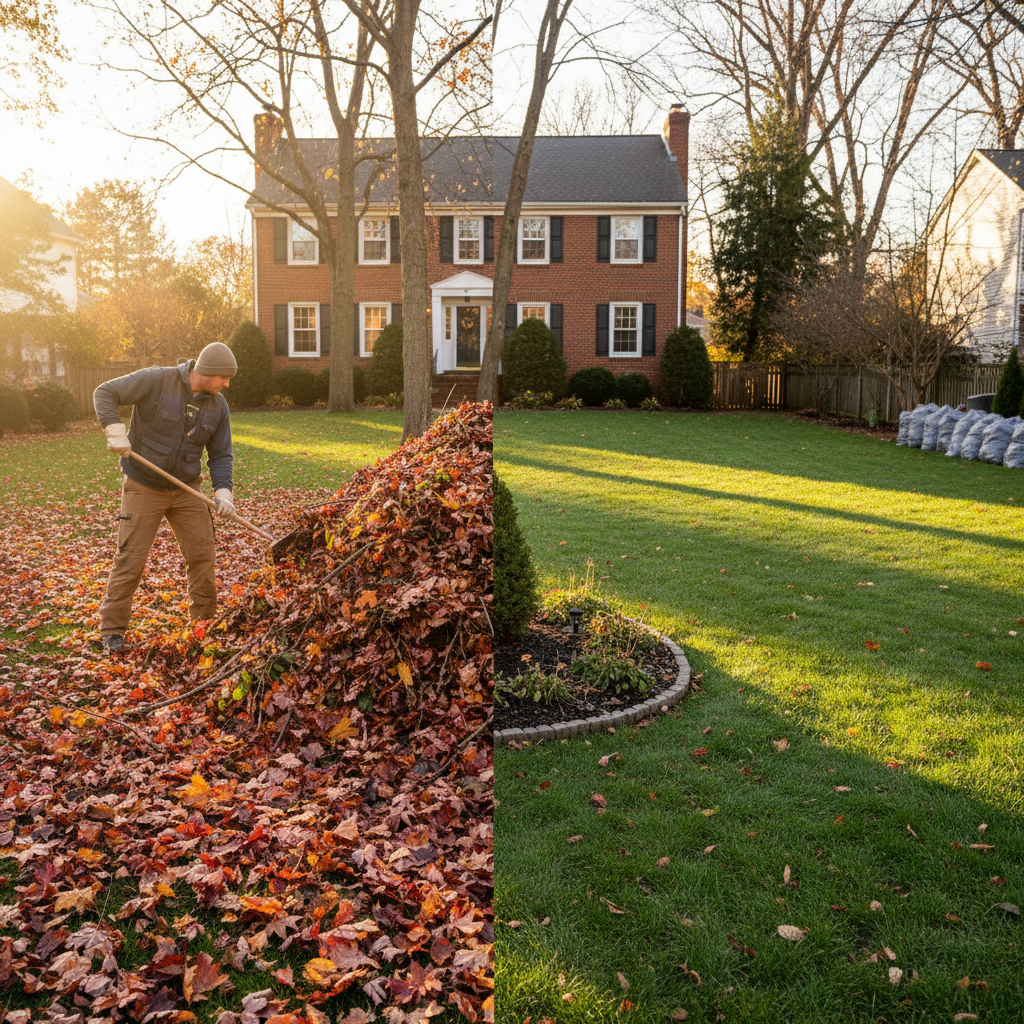
Essential fall landscaping prep Utah involves aerating and fertilizing lawns in late September, followed by clearing debris and cutting back perennials. Homeowners should also schedule sprinkler blowouts by late October and adjust irrigation frequencies to every six to ten days as the season transitions.
As the Wasatch peaks begin their transformation into white, many Utah homeowners feel a familiar sense of dread regarding their landscape. The harsh transition from summer heat to freezing winter temperatures often leaves lawns brittle and plants vulnerable. Neglecting these seasonal shifts can lead to costly repairs and a lackluster spring green up. At Gobes Landscaping, we believe that a resilient landscape is built through precise, expert preparation during the autumn months. In this guide, we provide a definitive timeline for winterization that covers everything from September aeration and soil health to the necessity of late-season sprinkler blowouts. You will also learn about the best shrubs for our unique soil and how to protect your masonry from ice damage. Following these steps ensures your outdoor space remains a valuable asset even in the depths of winter.
Why Fall Landscaping Prep Matters for Utah Homeowners
In Fillmore and across Central Utah, the transition between seasons is rarely gradual. We often move from the intense, dry heat of August directly into sharp overnight frosts by late September or early October. This rapid shift creates a unique challenge for local properties. While the Salt Lake Valley might enjoy a lingering autumn, our higher elevation and geographic position often invite earlier freezes that can catch unprepared homeowners off guard.
Executing a thorough plan for fall landscaping prep Utah is the most effective way to safeguard your outdoor investment. Neglecting these tasks often results in dead perennials, weakened turf, or the catastrophic failure of irrigation lines when trapped water expands during a deep freeze. By taking proactive steps now, you avoid the high costs of emergency spring repairs and ensure your plants have the stored energy needed to survive dormancy. Learn more about our expert practices to understand how we approach these regional challenges.
Effective winterization requires a strategic, tiered approach rather than a single weekend of work. To help you navigate these tasks, we have developed a month by month timeline. Starting in September, the focus remains on soil health and recovery, moving through cleanup in October, and finishing with technical winterization in November. Following this schedule ensures no detail is overlooked before the first heavy snow settles in Millard County.
September: Aeration, Overseeding, and Soil Health

September marks the beginning of active recovery for your lawn. After a summer of heat stress, the focus shifts toward improving soil structure and turf density. In Fillmore, late September is the sweet spot for these tasks because air temperatures have dropped, but the soil remains warm enough to encourage rapid seed germination. This window is the most critical part of your fall landscaping prep Utah timeline.
Core aeration is the foundation of this process. Much of the soil in Central Utah is clay-heavy, which tends to compact easily under summer foot traffic and the weight of winter snow. We use professional grade aerators to remove small plugs, or cores, of soil from the turf. This is not just about poking holes; it is about physically removing soil to alleviate compaction and allow oxygen, water, and nutrients to reach the root system directly. Without this step, fertilizers and water often sit on the surface rather than reaching the roots where they are needed most.
Immediately following aeration, you should begin overseeding. The open holes left by the aerator provide the perfect environment for new grass seed to take hold. By broadcasting seed while these channels are fresh, you ensure maximum seed to soil contact. This protects the seeds from birds and wind while placing them in a nutrient-rich environment. This process helps thicken the lawn, making it more resistant to weeds and pests when the next growing season begins.
Proper irrigation management is equally vital during this transition. According to the Northern Utah Turfgrass Management Calendar, you should scale back your watering frequency as the days shorten. In September, the recommended schedule is typically once every six days. Overwatering at this stage can lead to shallow roots or fungal issues, while the reduced schedule helps the turf harden off in preparation for the freeze. If your yard requires heavy equipment or specialized knowledge to manage these tasks, our professional landscaping services can ensure the work is done with the precision required for our local climate.
October: Feeding Your Lawn and Garden Cleanup

October serves as the critical transition for nutrient storage and sanitation. Homeowners often ask what month they should fertilize their lawn in the fall; the answer for our region is mid to late October. Unlike spring fertilizers that use high nitrogen levels to spark rapid blade growth, fall winterizer blends prioritize potassium and phosphorus. These nutrients strengthen the root system and increase the plant's tolerance to cold, ensuring the lawn has sufficient energy reserves to emerge healthy in the spring.
Proper garden cleanup is equally important during this window. We recommend cutting back perennials that turn to mush after a hard frost, such as hostas, daylilies, and peonies. Removing this dead foliage prevents pests and diseases from overwintering near the root ball. However, you can leave sturdy plants like ornamental grasses, sedum, or coneflowers for visual interest and to provide food for local birds. When pruning, always use sharpened clippers. Dull blades tear the plant tissue, creating jagged wounds that are susceptible to infection during the damp winter months.
Managing fallen leaves is another vital component of fall landscaping prep Utah. While a few leaves are harmless, a heavy mat of foliage will suffocate the turf and trap excessive moisture. This creates the perfect environment for snow mold, a fungal disease that can kill patches of grass under the snowpack. We advise raking or mulching leaves every few days to keep the lawn clear. As you tidy the beds, continue to monitor your irrigation. Following the Northern Utah Turfgrass Management recommendations, you should reduce watering to once every ten days, and only if the soil feels dry. If your property has extensive beds or heavy leaf fall, you may want to schedule a fall cleanup to ensure every plant is properly prepped before the ground freezes.
November: Sprinkler Blowouts and Final Winterization
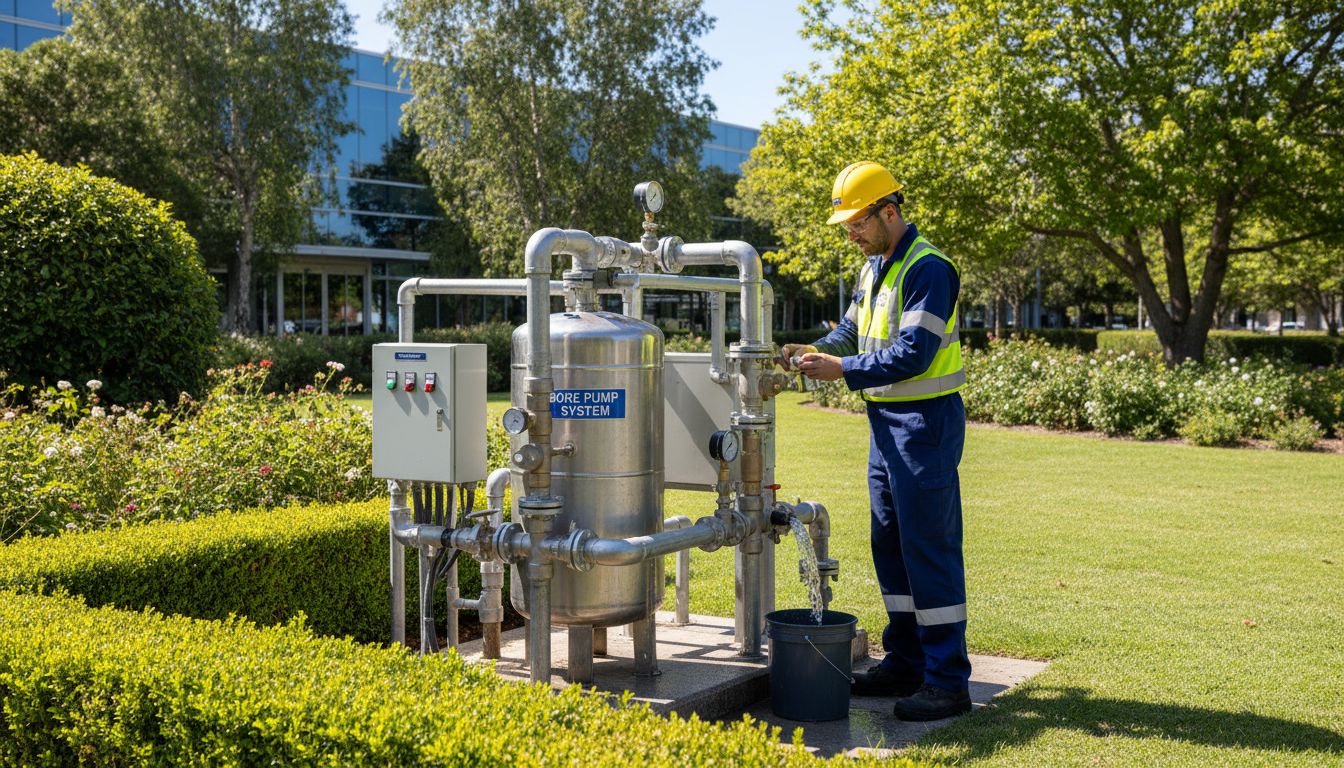
By the time November arrives in Millard County, the window for soil work has closed. The focus now shifts to protecting your infrastructure from the deep freeze. Knowing when to shut off sprinklers for winter in Utah is vital; for Fillmore residents, this should be completed by early November to stay ahead of the first sustained ground freeze. This is the most critical technical step in your fall landscaping prep Utah routine.
The primary objective is to remove all standing water from your irrigation lines. Even a small amount of residual moisture can be catastrophic because water expands as it turns to ice, exerting enough pressure to shatter PVC pipes and crack expensive manifolds. This expansion is the leading cause of irrigation repairs each spring. A professional blowout uses high volume, low pressure compressed air to force water out of every zone and head. This ensures the system is completely dry and safe from subsurface ice damage.
Beyond the main lines, you must address exterior plumbing points. Follow this quick checklist to secure your home’s perimeter: - Disconnect all garden hoses from outdoor spigots. - Drain the hoses and store them in a garage or shed to prevent material cracking. - Install insulated foam covers over every outdoor faucet to protect the internal valves from freezing. - Ensure your main shut-off valve is fully closed and the system controller is set to the 'Off' or 'Rain' setting.
Handling high pressure air requires specific equipment and calibrated settings to avoid damaging delicate sprinkler heads. If you are unsure about the pressure requirements for your specific system, our professional landscaping services include comprehensive winterization to give you peace of mind before the snow flies.
Fall Planting: Best Flowers and Shrubs for Utah Soil
Once the irrigation lines are clear, the focus shifts to the soil. While many homeowners associate planting only with spring, autumn is arguably the best time for adding new life to your Fillmore property. The cooling air and warm soil temperatures allow root systems to establish themselves without the metabolic stress caused by Utah’s intense summer heat.
For those asking what flowers can I plant in Utah during the fall, the answer involves both immediate gratification and long-term planning. You can plant pansies now for a burst of color that often persists through light frosts. Simultaneously, October and November are the ideal months to plant spring-blooming bulbs like tulips, daffodils, and crocuses. Burying these bulbs at the proper depth before the ground freezes allows them to undergo the necessary chilling period for a vibrant spring display.
This season is also the prime window for installing native shrubs and trees. Species like Serviceberry, Gambel Oak, or Fernbush are perfectly adapted to Millard County’s alkaline soil and semi-arid climate. By planting them now as part of your fall landscaping prep Utah, you allow the roots to knit into the native soil before the spring growth spurt. This proactive approach supports water-wise goals and results in hardier plants that require less supplemental irrigation once established. If you need help selecting or installing species tailored to your specific lot, you can learn more about our expert practices regarding regional plant selection.
Hardscape Maintenance: Protecting Patios and Walkways
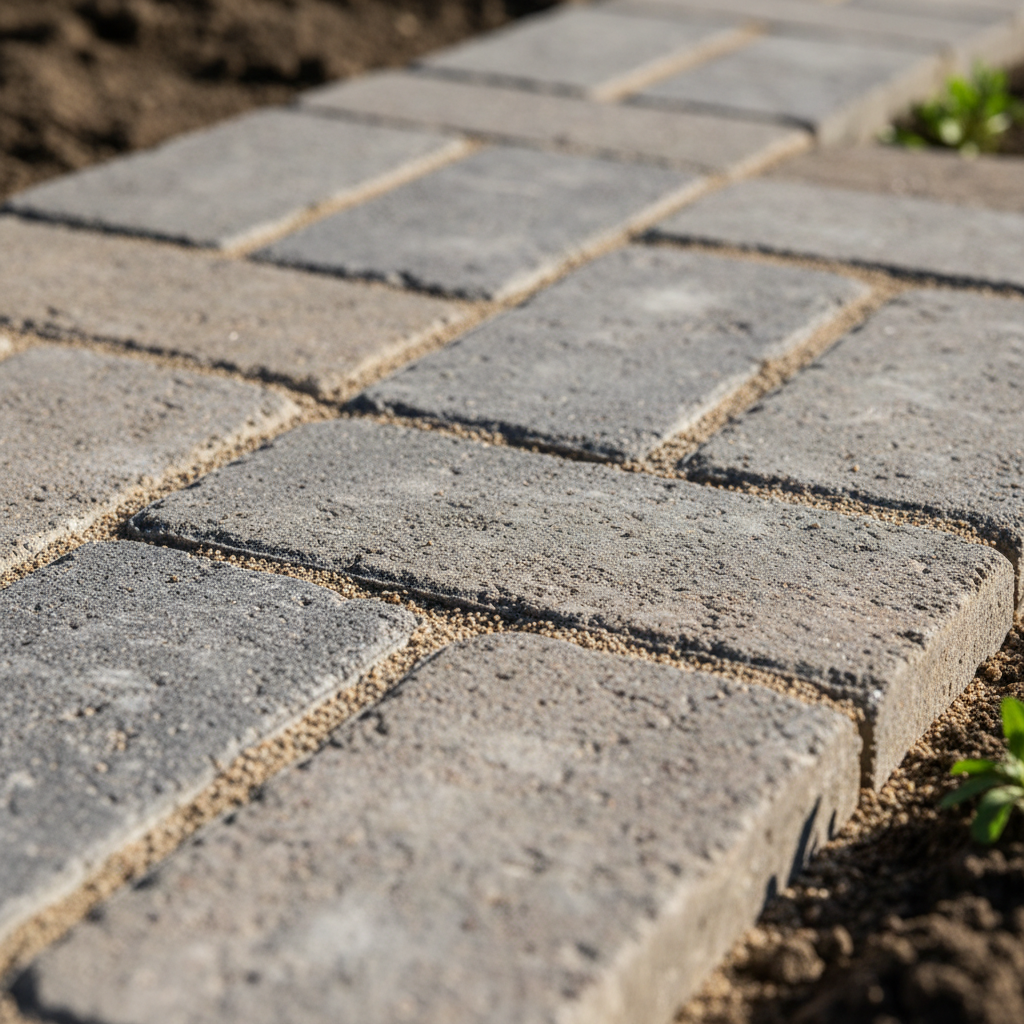
Hardscape longevity in Fillmore depends on managing the relentless freeze-thaw cycle. When moisture enters the pores of concrete or the joints between stone pavers, the subsequent expansion during a deep freeze can cause significant heaving or cracking. A core part of your fall landscaping prep Utah involves a thorough inspection of these surfaces before the first snowfall. Begin by sweeping organic debris out of paver joints; rotted leaves trap moisture that accelerates joint failure.
Next, identify any pavers that have shifted or settled unevenly. Addressing these minor movements now prevents them from becoming major structural issues or safety hazards when obscured by ice. Proper drainage is equally critical. You must clear all debris from surface drains and catch basins to ensure meltwater moves away from the home. Blocked drainage often leads to ice dams near the foundation, which can result in costly water damage. These steps reflect the importance of clean design and proper installation in maintaining a durable outdoor space. If you notice significant settling, our professional landscaping services can provide the necessary repairs to stabilize your site for the winter months.
How Fall Landscaping Prep Increases Property Value
Investing time in fall landscaping prep Utah directly influences your home's marketability and appraisal value. When considering landscaping before selling a house, the dormant season often exposes structural flaws or signs of neglect. A property with clear drainage, pruned perennials, and a winterized irrigation system signals to buyers that the entire home is meticulously maintained. This attention to detail eliminates the neglected look common in Fillmore winters, replacing it with a clean, intentional aesthetic.
Consistent seasonal care prevents the accumulation of deferred maintenance costs, ensuring your property retains its curb appeal even when the grass is dormant. For homeowners looking to maximize their return, professional landscaping services offer a high ROI by protecting long-term assets from the harsh freeze-thaw cycles characteristic of Central Utah. High-quality maintenance now ensures a vibrant, ready-to-sell landscape the moment the spring thaw begins.