Low maintenance landscaping Utah focuses on xeriscaping strategies like choosing native, drought-tolerant plants and utilizing hardscape elements such as decorative rock, gravel, or pavers. Homeowners can significantly reduce upkeep by replacing traditional lawns with artificial turf and installing smart irrigation systems to manage water efficiency. These practices create a sustainable yard that thrives in the local climate with minimal pruning or mowing required.
Maintaining a lush, green sanctuary in the demanding climate of the Intermountain West often feels like a relentless battle against alkaline soil and scorching summer temperatures. For many Utah homeowners, the dream of a beautiful yard is overshadowed by the reality of soaring water bills and the constant cycle of weeding, pruning, and mowing. Your outdoor space should serve as a private retreat for relaxation, not a source of physical exhaustion or financial strain. Transitioning to a low maintenance landscape is not about settling for a barren lot; it is about working with our unique high desert environment to create a sophisticated, self sustaining exterior. In this guide, we provide expert insights into resilient plant selections, functional hardscaping foundations, and smart irrigation technologies. You will learn how to design a stunning, functional property that thrives in Utah while reclaiming your weekends for what truly matters.
Why Utah Homeowners are Moving Toward Low Maintenance Landscapes
Utah's semi-arid climate presents a unique challenge for those maintaining traditional, high-water lawns. For many residents in Fillmore and across Millard County, the dream of a lush, manicured turf has turned into a repetitive cycle of mowing, weeding, and heavy watering every Saturday. As water rates rise and summer temperatures climb, these high-maintenance landscapes often become a financial and physical burden rather than a source of pride.
Homeowners are increasingly shifting toward low maintenance landscaping Utah designs that prioritize efficiency and longevity. A practical, clean design does more than just save time; it significantly boosts curb appeal and property value by offering a modern, intentional look. However, success in this region requires more than just replacing grass with gravel.
In Fillmore, specific factors such as high wind speeds and significant soil alkalinity can cause poorly planned projects to fail. For instance, certain plants might struggle with the specific pH of local soil, while lightweight mulches can easily blow away during spring gusts. Achieving a durable result requires professional landscaping techniques that account for these environmental realities, ensuring your yard remains a functional asset rather than a weekend chore.
Understanding the Foundation: Utah Climate and Soil Realities
Successful low maintenance landscaping Utah depends entirely on working with, rather than against, the local environment. Utah spans several USDA hardiness zones; however, Fillmore residents typically operate within Zone 6 or 7. This classification means any plant selection must withstand winter temperatures that can drop toward zero degrees. Choosing plants rated for warmer climates is a common mistake that leads to costly replacements and increased labor.
Soil composition is the next critical factor. In Millard County, the soil is predominantly alkaline. High pH levels can prevent non-native plants from absorbing essential nutrients like iron, leading to yellowed leaves and stunted growth. Instead of fighting the soil with constant chemical amendments, it is more efficient to select species naturally adapted to high-calcium environments. This approach ensures the landscape remains healthy without the need for intensive soil management.
Watering habits also dictate the long-term health and maintenance requirements of your yard. A frequent question homeowners ask is whether night or morning watering is best. Watering in the early morning, specifically between 4 a.m. and 8 a.m., is the superior method. This timing allows water to soak deep into the roots before the sun causes significant evaporation. Unlike night watering, which leaves foliage damp for extended periods and encourages fungal growth, morning irrigation allows the sun to dry the leaves quickly. For those unsure about their specific soil needs or climate resilience, seeking professional landscaping advice can prevent these foundational errors.
Hardscaping: The Backbone of a Zero Maintenance Yard
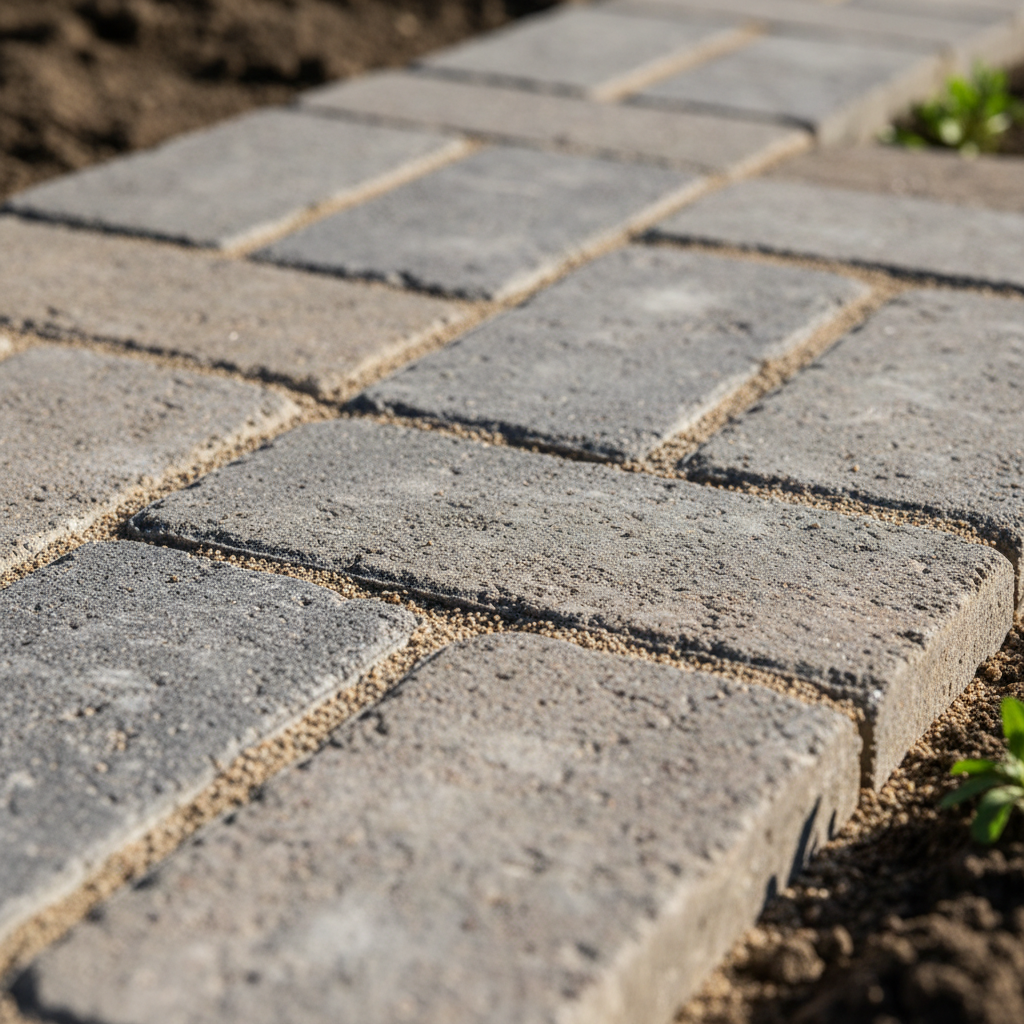
Hardscaping acts as the skeleton of any successful low maintenance landscaping Utah design. By replacing large expanses of grass with non-living elements, you immediately eliminate the need for mowing, fertilizing, and heavy irrigation. In Millard County, where wind and heat can stress organic materials, choosing the right ground cover is the most important decision for long term ease of care.
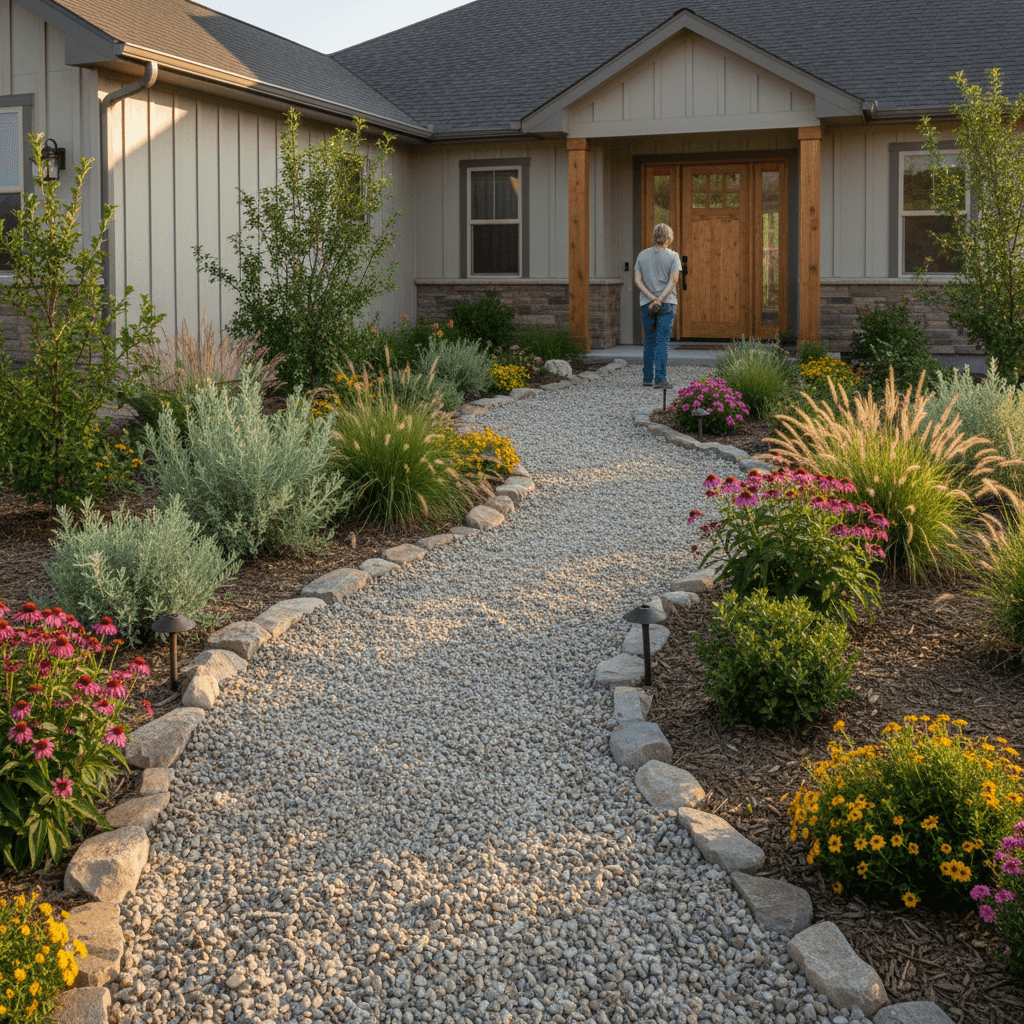
For homeowners interested in low maintenance landscaping with rocks, the selection often comes down to lava rock, river rock, or gravel. Lava rock is lightweight and porous, while river rock offers a smooth, natural aesthetic that stays in place during high winds. Gravel is highly versatile for paths and fills. While rock mulch is essentially permanent, it does not provide the nutritional breakdown that wood mulch offers the soil. If you choose stone, installing a high quality, commercial grade weed barrier underneath is a non-negotiable step. Without this barrier, dust and organic debris will eventually settle between the rocks, providing a foothold for weeds that become difficult to pull through the stone layer.
Material | Durability | Soil Health | Maintenance Level |
|---|---|---|---|
Decorative Rock | Permanent | Low (Insulates only) | Very Low (Occasional blowing) |
Wood Mulch | 1 to 2 years | High (Adds nutrients) | Moderate (Needs replenishing) |
Pavers/Stone | Lifetime | None | Zero (Sweeping only) |
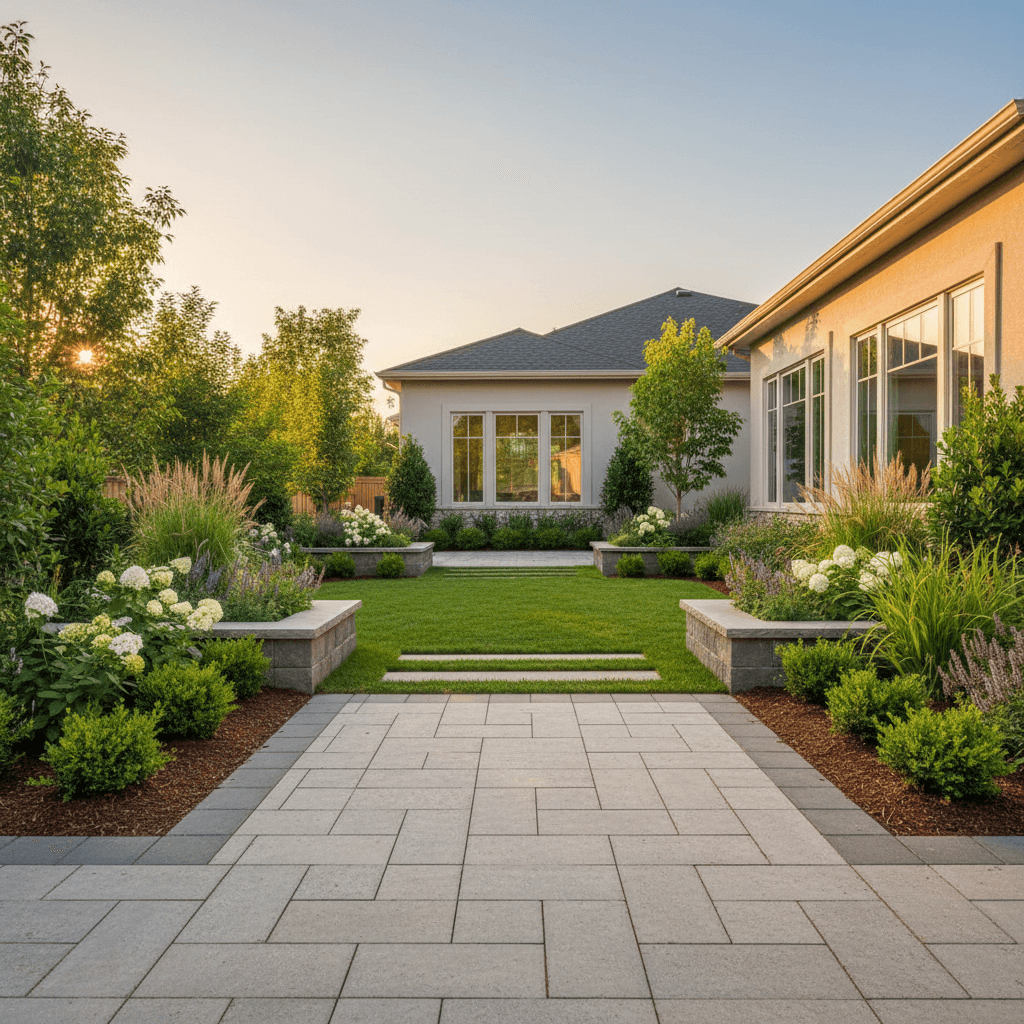
Adding pavers or stone patios further reduces your workload by converting potential lawn space into functional living areas. A well installed patio provides a level surface for outdoor furniture without ever requiring a drop of water. These structures offer a clean, intentional look that defines the property lines and keeps the yard looking sharp year round. For complex installations involving grading or heavy stone placement, professional landscaping ensures the foundation is set correctly to prevent shifting or drainage issues over time.
Top Low Maintenance Plants for Utah Landscapes
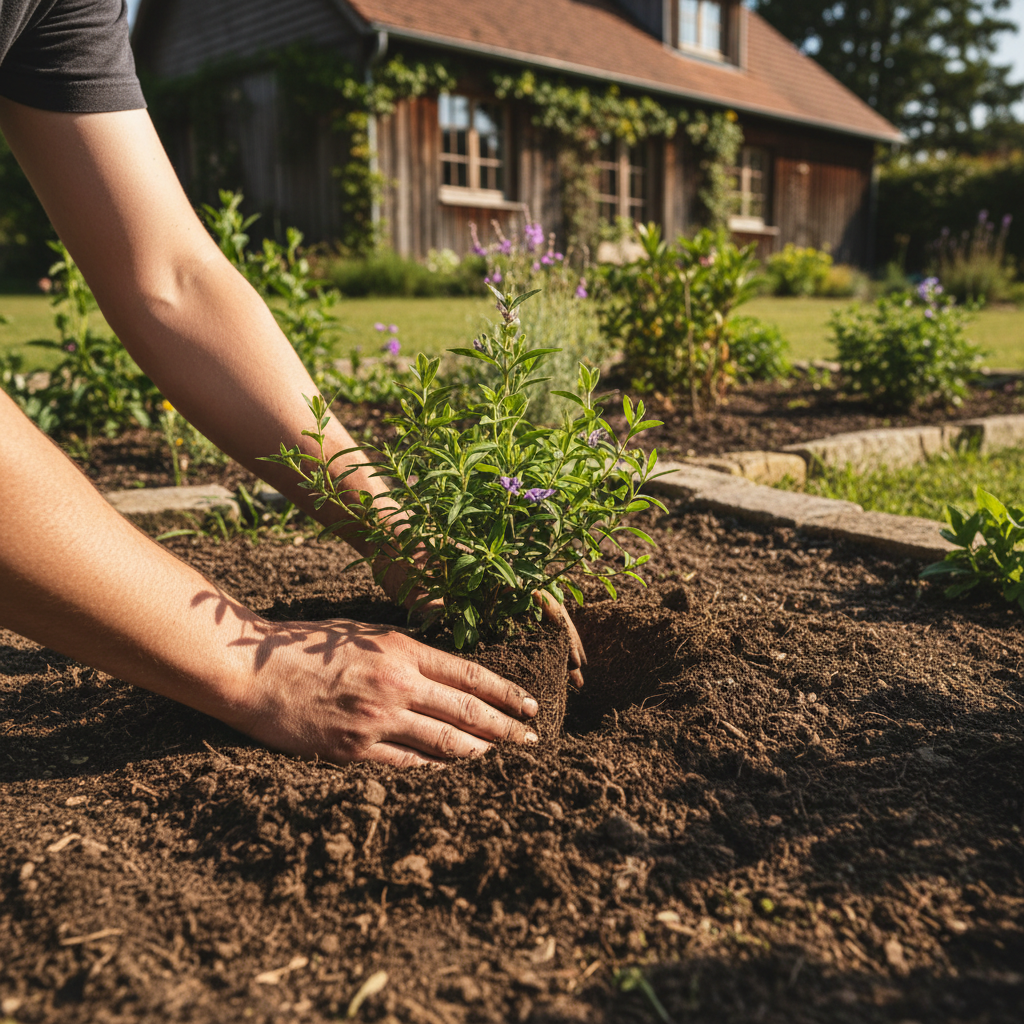
Selecting the right plants completes the transition from a high-effort yard to a sustainable landscape. While hardscaping provides the structure, vegetation adds the texture and color that define a home. In the Fillmore area, the goal is to choose species that thrive in alkaline soil and harsh sun without requiring constant attention. A common mistake is equating "low water" with "low maintenance." Many drought-tolerant species are aggressive growers that require heavy seasonal pruning to keep them from overtaking walkways or neighboring plants. The focus here is on slow, predictable growth habits that maintain their form with minimal intervention.
Plant Type | Recommended Species | Primary Benefit |
|---|---|---|
Shrubs | Boxwood, Ninebark | Holds shape; adds year-round structure |
Perennials | Lavender, Russian Sage, Coneflower | Pollinator-friendly; highly drought resistant |
Grasses | Blue Fescue, Maiden Grass | Minimal debris; excellent wind resistance |
For shrubs, Boxwoods are a staple for clean designs because they provide a permanent green border that needs only occasional trimming. Ninebark offers a tougher, more colorful alternative, with foliage ranging from deep purple to lime green. These shrubs are particularly effective when grouped together to create natural barriers that block wind-blown debris.
Perennials like Lavender and Russian Sage are ideal for Fillmore because they actually prefer the lean, well-drained soil found in rock-heavy landscapes. Once established, they survive on very little supplemental water and resist most local pests. Coneflowers are equally resilient; as native-adjacent plants, they handle the heat of a Utah July without wilting.
Ornamental grasses provide the final layer of a low-effort yard. Blue Fescue remains compact and tidy, making it perfect for edging stone paths. Maiden Grass adds height and movement without the mess of falling leaves. Integrating these plants through professional landscaping ensures they are spaced correctly for their mature size, preventing the need for future thinning or removal as the yard grows.
Practical Layouts: Low Maintenance Ideas for Front Yards and Fences
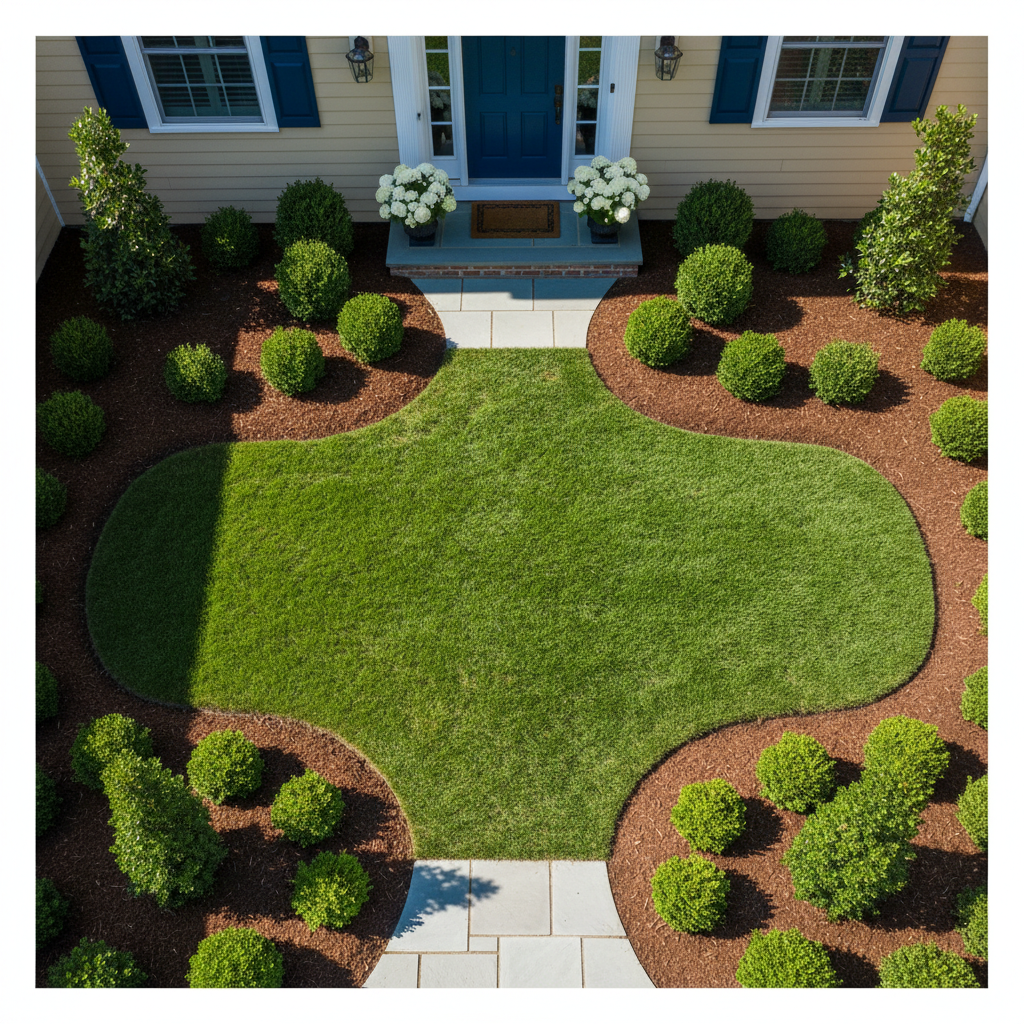
Strategic placement determines how much time you actually spend maintaining these new features. A common frustration in Fillmore is the constant battle against weeds encroaching from neighboring properties along fence lines. To solve this, install a clean gravel border approximately 12 to 18 inches wide against the fence, underpinned by a professional grade weed barrier. Within this border, space upright shrubs like Sky Rocket Juniper or Columnar Buckthorn. This creates a vertical screen that requires no mowing right up to the fence post, effectively neutralizing a high maintenance zone.
For the front of the home, curb appeal is best achieved through a structured layering technique. Position larger elements, such as decorative boulders or taller shrubs like Ninebark, toward the back of the landscape beds near the foundation. Gradually step down in height toward the sidewalk using mid sized perennials and finishing with low profile ornamental grasses or lavender at the edge. This arrangement uses depth to hide irrigation components while ensuring every plant receives adequate sunlight. This specific layout is a hallmark of effective low maintenance landscaping Utah projects, as it provides a lush look without the crowded growth that necessitates constant thinning. If you need assistance designing a layout tailored to your specific lot, you can contact our team to discuss a functional plan.
Smart Irrigation: Automating Your Yard Care
Transitioning from a well-planned layout to a truly automated system requires a shift in how you think about water. Low maintenance landscaping Utah properties still require moisture, especially during the establishment phase or extreme heat waves. The difference lies in the delivery method. Traditional spray heads are often inefficient in Millard County, where high winds can blow half the water onto the sidewalk before it ever touches the soil.
Drip irrigation is the gold standard for rock-heavy and shrub-based designs. These systems deliver water through emitters directly to the root zone, significantly reducing weed growth in surrounding dry areas. To maximize this efficiency, integrate a smart controller. These devices connect to local weather stations and automatically adjust schedules based on Fillmore’s erratic spring weather. If a surprise rainstorm rolls through, the system shuts off, saving you money and preventing overwatering.
System Type | Best Use | Efficiency Level |
|---|---|---|
Drip Irrigation | Shrub beds, perennials, and trees | High (90%+) |
Traditional Spray | Lawns and large groundcovers | Moderate to Low |
Smart Controllers | Any automated system | Maximize Savings |
A successful setup depends on professional landscaping installation. Poorly connected fittings or low-grade tubing often lead to underground leaks. These leaks create persistent mud holes that attract pests and encourage localized weed explosions, defeating the purpose of a low-effort yard. If you notice damp spots or a spike in your water bill, it is best to contact our team to evaluate your system's integrity.
Low Maintenance Landscaping on a Budget
Achieving low maintenance landscaping Utah does not require a massive upfront investment. A strategic approach involves prioritizing high impact areas, such as the front entrance, where curb appeal yields the highest return on property value. One of the most effective ways to manage costs is by selecting smaller plant sizes. Choosing one gallon perennials or shrubs instead of five gallon specimens can reduce plant costs by 60% or more. In Fillmore, smaller plants often establish their root systems more effectively in local alkaline soil than larger, root bound alternatives.
Budget Strategy | Practical Action | Long-Term Benefit |
|---|---|---|
Phased Installation | Install hardscaping and weed barriers first. | Immediately reduces mowing area and water use. |
Plant Sizing | Buy 1-gallon pots instead of 5-gallon containers. | Significant cost savings; faster root establishment. |
Local Sourcing | Use Fillmore-based suppliers for rock and mulch. | Eliminates high delivery fees and shipping costs. |
Starting with hardscaping allows you to define the yard's structure while immediately eliminating maintenance in those zones. Utilizing local Fillmore resources for materials like river rock or gravel significantly reduces transportation expenses. This incremental method lets you build a sustainable yard over several seasons without financial strain. If you need a professional assessment to prioritize your project phases, you can contact our team to develop a budget friendly roadmap.
The Reality of Maintenance: What to Expect Year Round
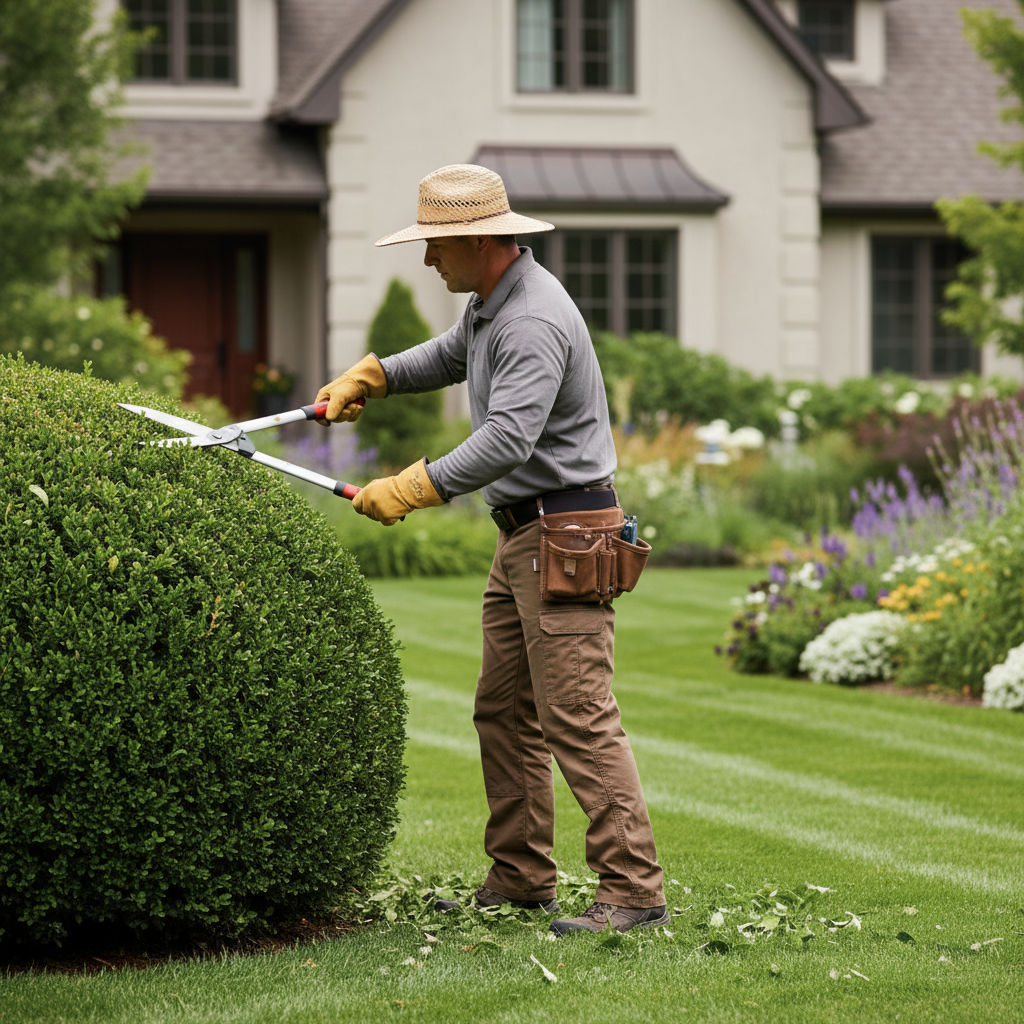
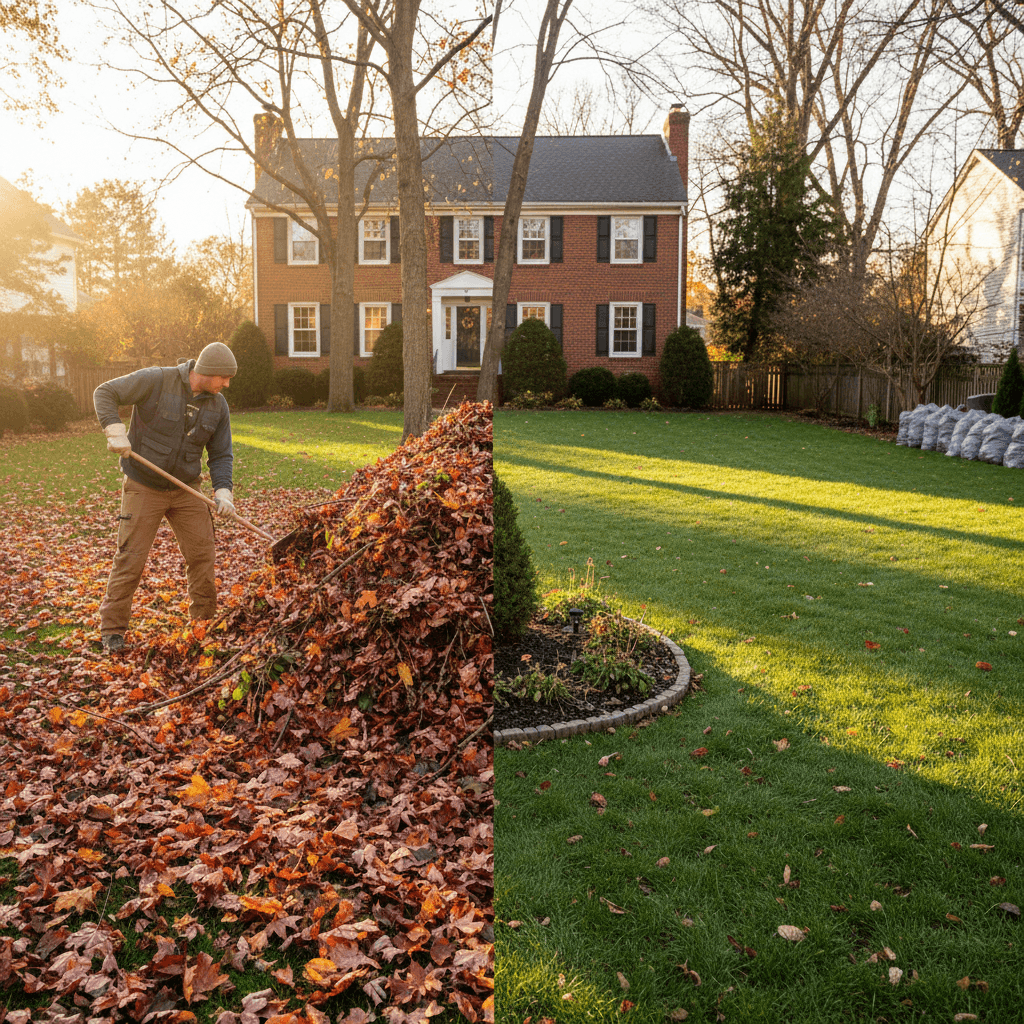
Transitioning to a lower-effort yard significantly reduces your weekly workload, but a truly zero-maintenance outdoor space is a myth. Even the most intentional low maintenance landscaping Utah designs require seasonal attention to prevent deterioration and maintain curb appeal. In Fillmore, spring gusts often deposit tumbleweeds and organic debris into decorative rock beds. If left to decompose, this material creates a thin layer of organic matter atop your weed barrier, providing a foothold for new weeds to germinate. A thorough spring cleanup using a leaf blower or rake is essential to keep stone areas looking crisp and functional.
As winter approaches, your focus shifts to plant health and system preservation. Perennials like Russian Sage and Lavender benefit from late fall pruning to manage their size and encourage vigorous growth the following year. It is also critical to winterize your drip irrigation system to prevent the freezing temperatures of Millard County from damaging valves and emitters. For homeowners who want a pristine yard without performing the physical labor, professional landscaping seasonal maintenance programs can bridge the gap. By scheduling a professional visit to handle the heavy lifting of pruning and debris removal, you ensure your yard remains a high-value asset. If you are ready to plan your property’s transition, contact our team to discuss a sustainable care schedule.