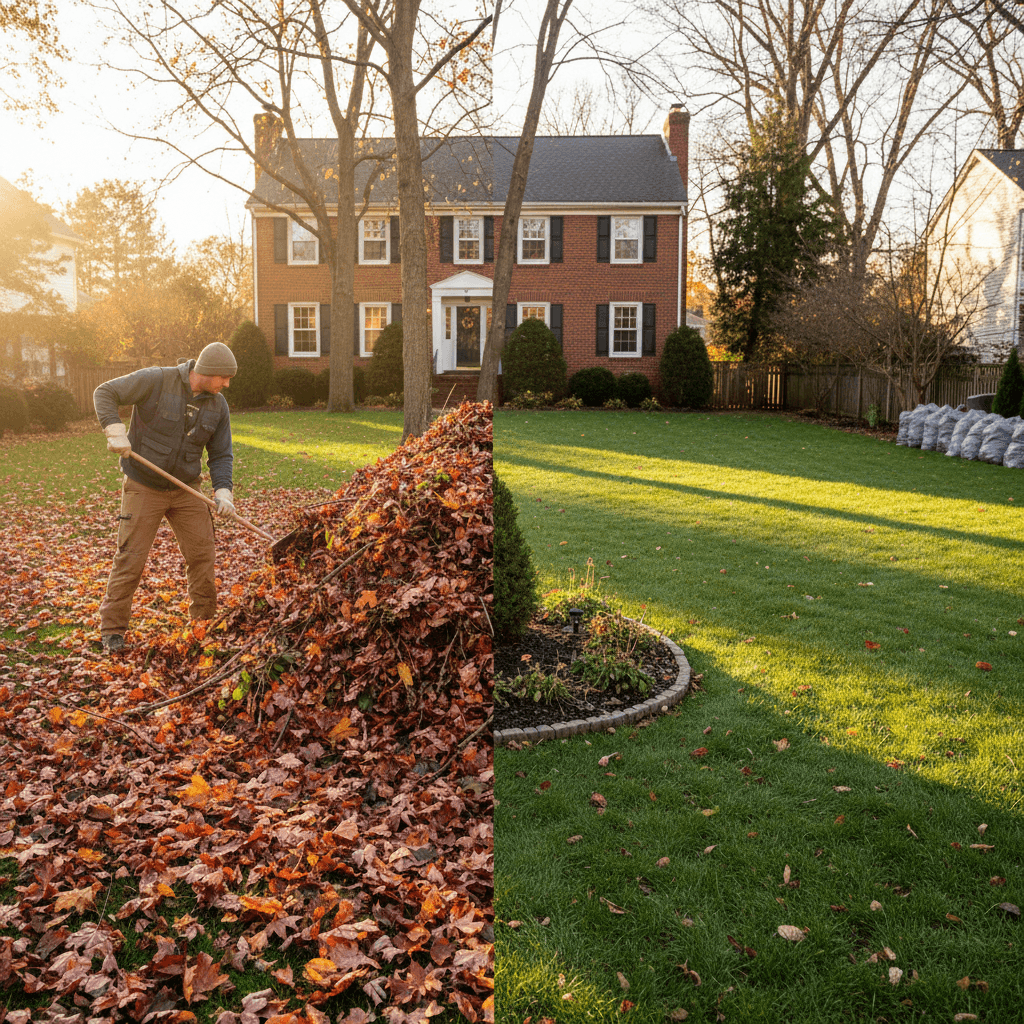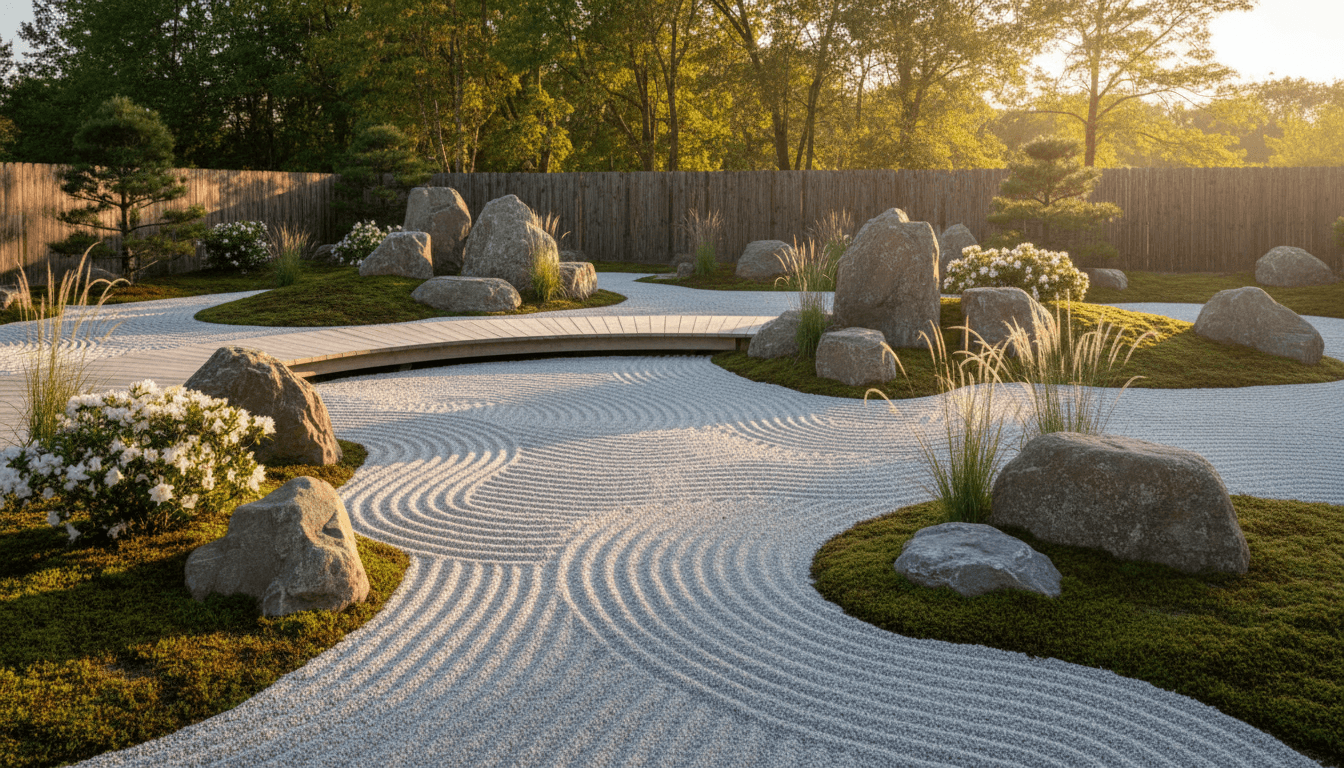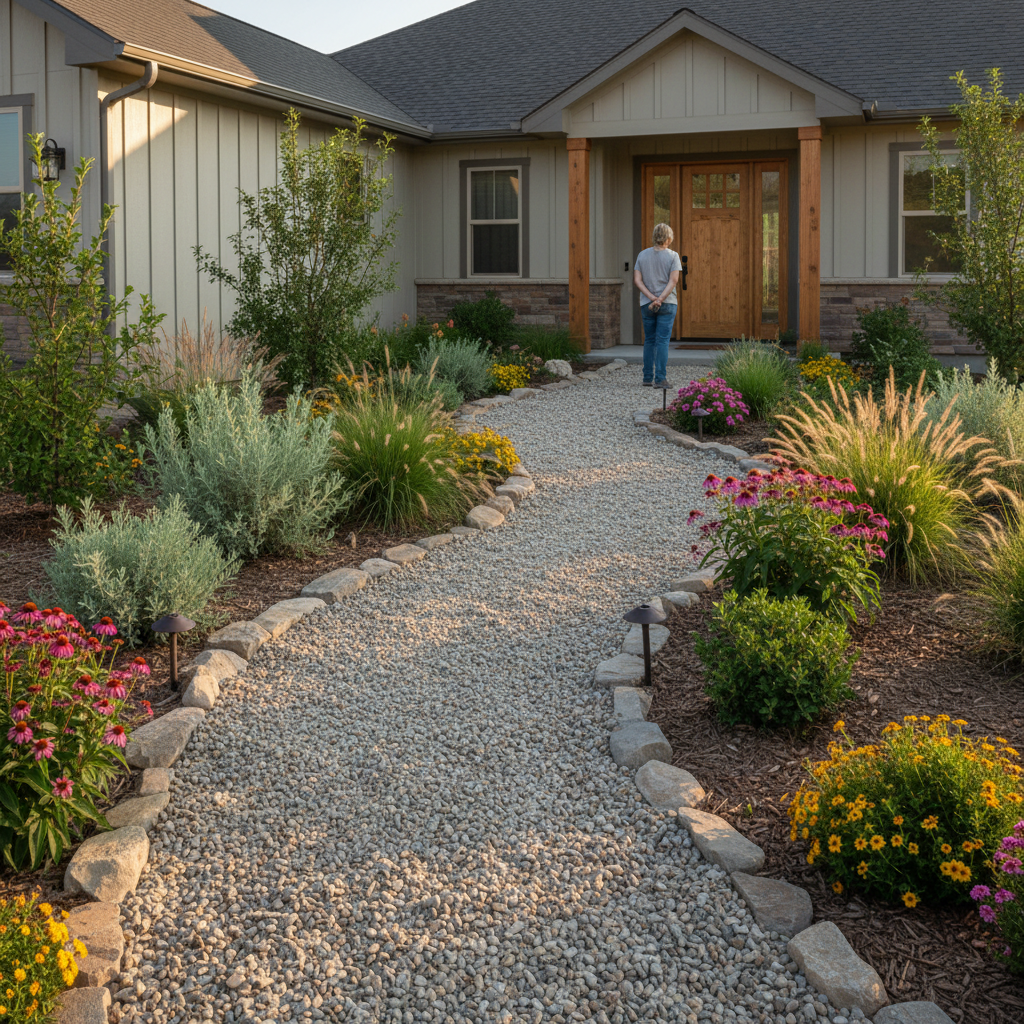
The best time to start landscaping Fillmore Utah is in early spring, typically between late April and mid-May, once the final frost has passed. This timing allows new plants to establish healthy root systems during cooler weather before the intense summer heat arrives. Early fall also provides an excellent window for planting trees and shrubs while the soil remains warm; however, spring remains the primary season for most major projects.
Living in Fillmore, Utah, presents unique challenges for property owners trying to time their landscaping projects perfectly. If you start too early, a late frost can ruin your investment; if you wait too long, the intense summer heat may scorch your new plants before they take root. At Gobes Landscaping, we understand that achieving a lush, resilient yard requires more than just high-quality materials; it requires a strategic understanding of our local climate cycles. This guide will walk you through the optimal windows for different projects, from the vibrant growth of spring to the surprising benefits of fall planting. We will also discuss why the winter months are actually the best time to begin the design phase. By the end, you will have a clear monthly checklist to ensure your outdoor space thrives year-round in our high-desert environment.
Understanding the Fillmore Climate Window
Landscaping in Fillmore requires a technical understanding of the high desert environment. Sitting at an elevation of 5,127 feet, our local climate dictates a specific rhythm for outdoor work that differs significantly from lower altitude regions. The average last frost date in Fillmore is May 12; this date serves as the primary benchmark for the safety of new plantings. However, determining the best time to start landscaping Fillmore Utah requires looking beyond just the temperature.
A successful project is divided into two distinct phases: planning and execution. If you are researching when to start landscaping in Utah in winter, the answer is that the planning phase should begin immediately. While the frozen ground in January prevents digging or planting, it is the ideal time for site analysis, material sourcing, and drafting a clean design. By the time the soil becomes workable in the spring, the logistical heavy lifting should already be complete.
Differentiating between these phases allows for a more efficient workflow. Planning in the winter ensures you are at the top of the schedule for professional landscaping services before the spring rush begins. The execution phase, which involves the actual installation of plants and hardscapes, follows once the risk of deep ground freezes has passed. This structured approach prevents common mistakes like rushing plant selection or facing material shortages during the peak season. To ensure your project moves smoothly from the drawing board to the dirt, you can contact Gobes Landscaping during the winter months to begin the essential design and scheduling work.
Spring Landscaping: The Prime Season for Growth
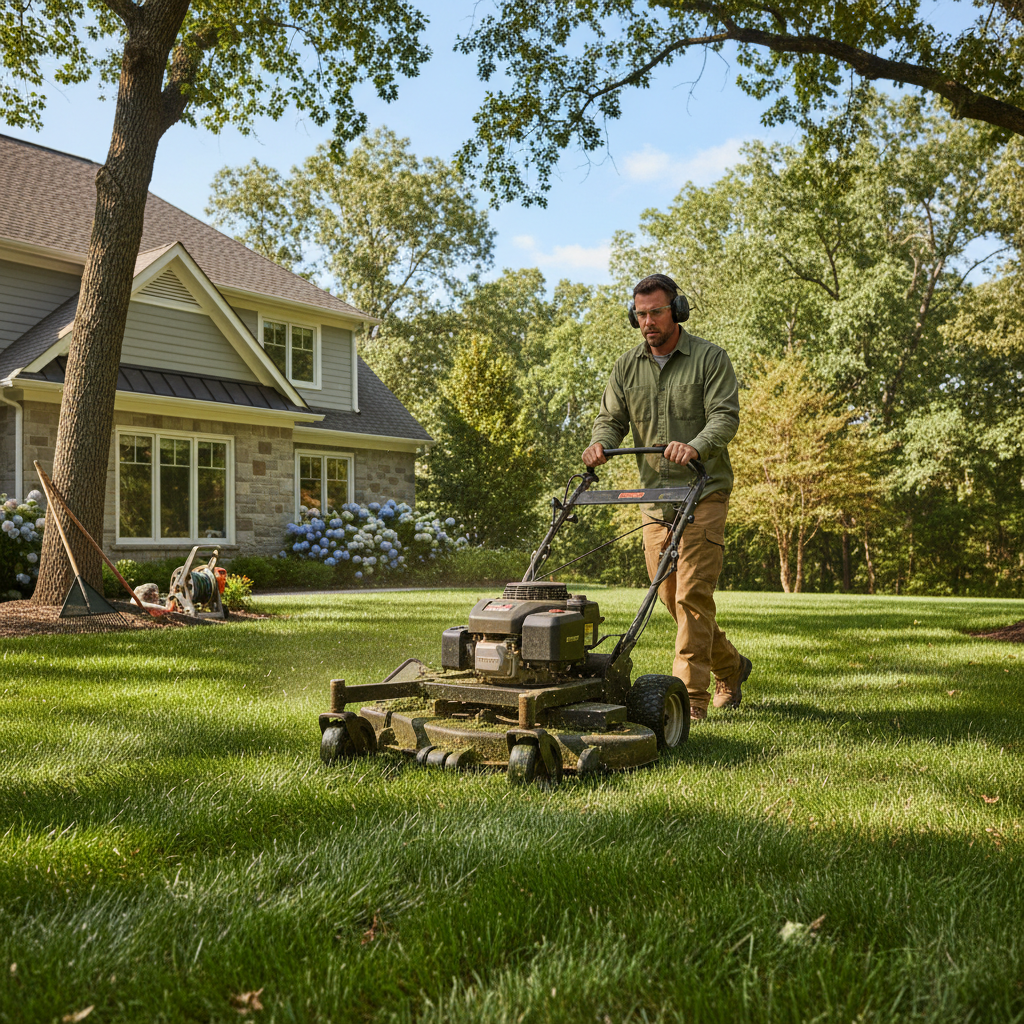
Once the initial planning is finalized, the window from late March through early May becomes the most active period for property owners. This timeframe is often considered the best time to start landscaping Fillmore Utah because it allows for critical soil preparation before the ground dries out under the high desert sun. Preparing your soil now, through aeration and the addition of organic matter, creates a healthy foundation for the entire year.
For those integrating food production into their yards, early spring is the essential window for cool-weather crops. Onions, peas, and broccoli require these lower temperatures to thrive. Similarly, this is the optimal time for installing deciduous trees. Planting trees like maples or oaks in early spring gives them a full growing season to establish a robust root system before the intense heat of July and August arrives. This head start is vital for the long-term survival of the specimen.
From a maintenance perspective, following the 3-hour gardening rule is significantly easier when you begin in March. By dedicating three hours each week to weeding, pruning, and clearing debris early in the season, you prevent maintenance tasks from becoming overwhelming later in the year. Starting early ensures that your professional landscaping services are focused on growth and enhancement rather than playing catch-up with invasive weeds.
For Fillmore lawns, this period is also the prime window for fertilization. Applying nutrients as the grass breaks dormancy encourages thick, healthy growth that can better resist summer drought. By the time the May 12 frost date passes, your landscape will already have an established root network and a clean structure. If you need assistance with large-scale planting or soil amendment, you can contact Gobes Landscaping to schedule your spring installation and ensure your property is prepared for the coming heat.
Fall Landscaping: The Hidden Advantage for Trees and Shrubs
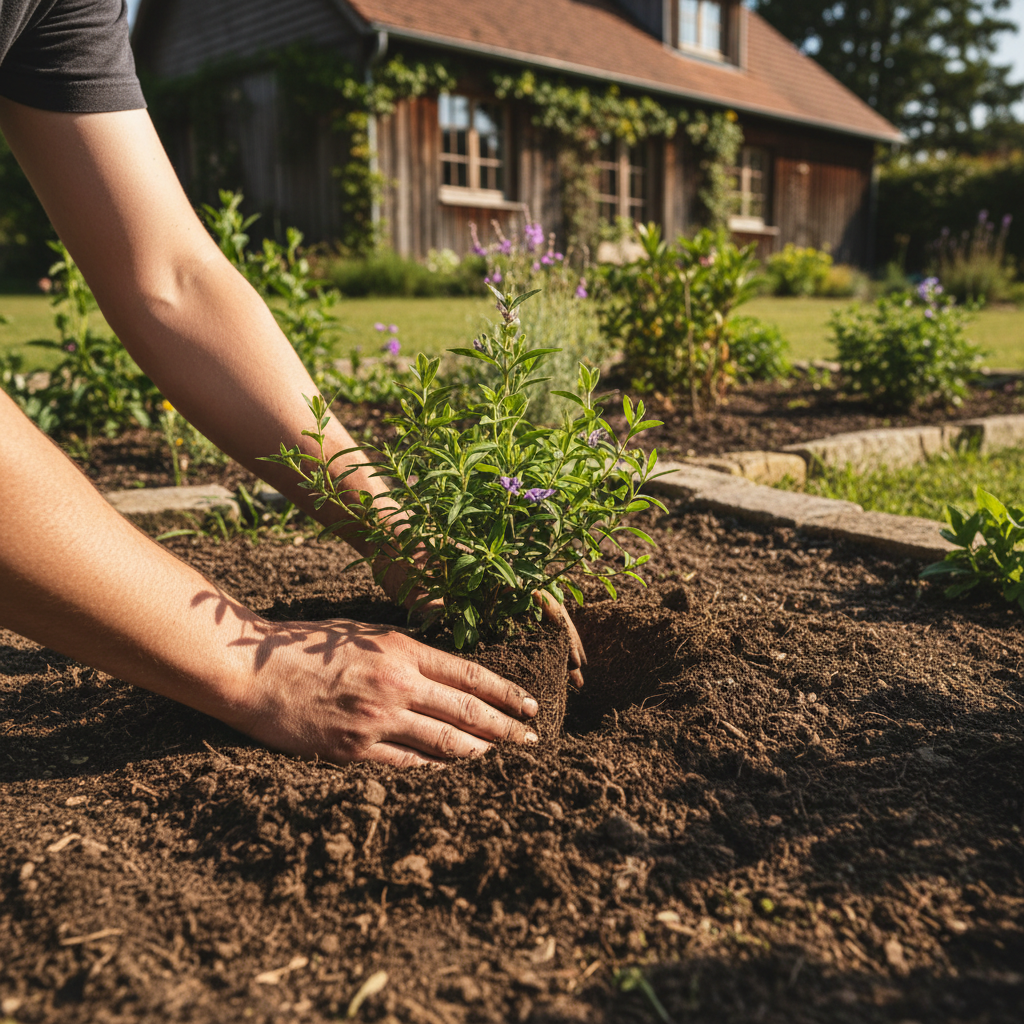
While spring is the traditional choice for many, fall is arguably the best time to start landscaping Fillmore Utah when your focus shifts to permanent greenery. September and October provide a unique physiological advantage for perennials, shrubs, and trees. During these months, the high desert air begins to cool, which significantly reduces the rate of transpiration and moisture loss from leaves. However, the soil remains warm from the summer sun. This combination allows plants to divert all their metabolic energy into root development rather than the stress of sustaining new foliage or fighting off the intense July heat.
This season is also the ideal time to evaluate your property using the 70/30 rule. A functional, professional landscape should consist of 70% permanent elements, such as hardscapes and woody plants, and 30% seasonal interest like annual flowers or decorative grasses. If your yard looks sparse or empty as the summer blooms fade, it is a signal that your permanent structural foundation needs reinforcement. Fall is the strategic window to install these 70% components, ensuring they are well established before the deep ground freeze arrives in late November.
A common question from local property owners is whether October is too late to mulch. In reality, October is the optimal time for a fresh application. Mulching in mid to late autumn acts as an insulating blanket, regulating soil temperatures and protecting the root systems of new professional landscaping services installations from the freeze-thaw cycles common at our 5,127 foot elevation. If you are looking to audit your landscape balance or add hardier specimens to your property, you can contact Gobes Landscaping to discuss fall installation schedules and material sourcing.
Best Timing for Hardscaping and Stone Projects
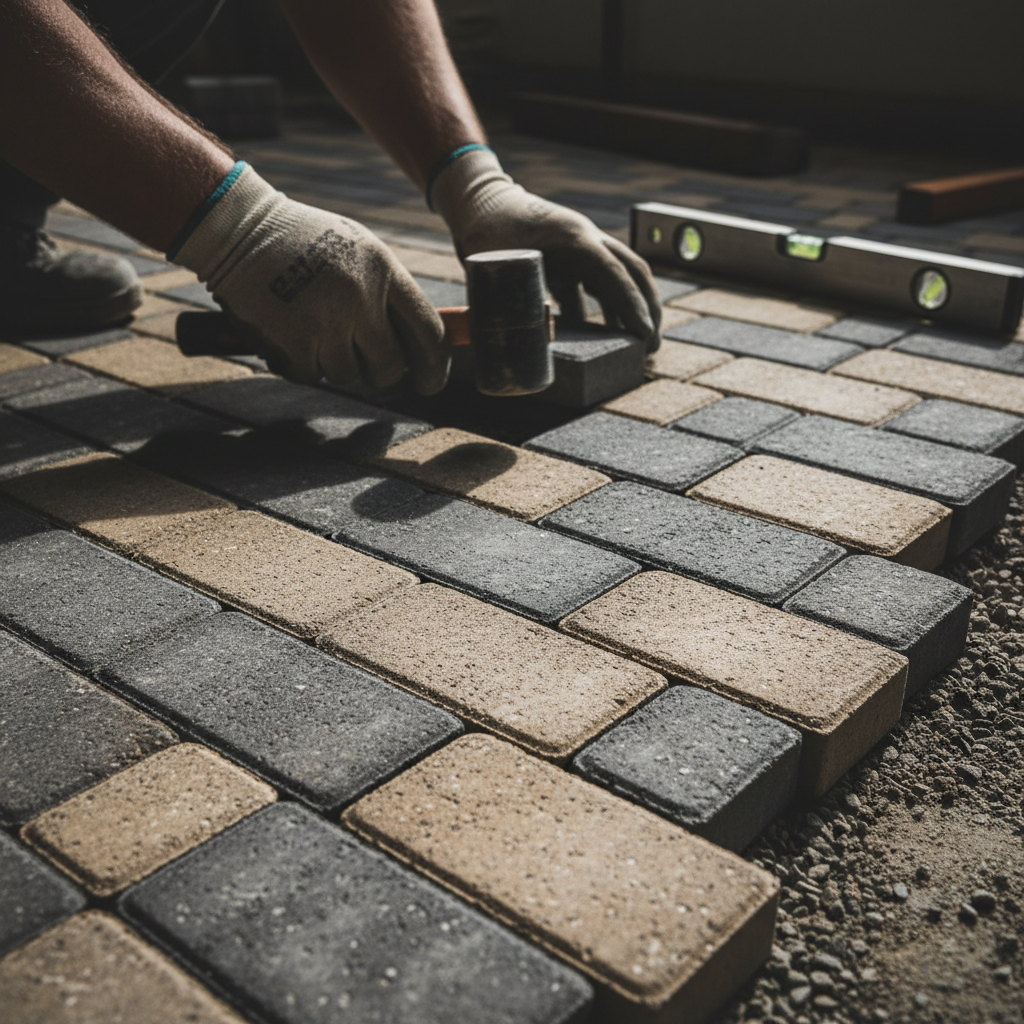
While flora is dictated by biological cycles, hardscaping projects like patios, walkways, and retaining walls operate on a different timeline. These structural elements provide the framework for your property and can often be initiated earlier than planting because stone and pavers are not susceptible to frost. However, the frozen ground characteristic of Fillmore winters remains a technical hurdle. Excavation for a paver base or a retaining wall footing becomes difficult and imprecise when the soil is locked in a deep freeze.
To maximize your property’s potential, the best time to start landscaping Fillmore Utah for hardscape installations is typically early spring, as soon as the ground thaws, or late summer. Starting in late February or March allows the heavy construction phase to finish before the May planting window opens. This sequencing prevents crews and equipment from disturbing new greenery once it is in the ground. Gobes Landscaping utilizes modern tools and efficient workflows to maintain precision in grading and leveling, ensuring that your professional landscaping services result in a durable, level foundation. If you are planning a significant structural change to your yard, you should contact Gobes Landscaping to coordinate these phases so your hardscape is ready for the arrival of spring perennials.
The Planning Phase: Why Winter Is the Most Strategic Start
Determining how early landscapers can start involves looking at the calendar through a logistical lens. While physical labor is restricted by the frozen ground, the most strategic work happens indoors. In Fillmore, the best time to start landscaping Fillmore Utah is actually December or January. This is when the planning phase takes priority. Most reputable professional landscaping services have their spring schedules fully booked by February. Initiating a consultation in the heart of winter ensures your property is a priority once the May 12 frost date passes.
Starting at the drawing board rather than with a shovel allows for meticulous material sourcing and a clean design that respects your property's unique topography. Winter planning provides the time needed to secure specific stone, pavers, or plant varieties that often face shortages during the peak spring demand. This proactive approach results in an efficient workflow where every detail is accounted for before a single yard of soil is moved. If you want to avoid the seasonal rush and guarantee a professional result, you should contact Gobes Landscaping during the winter months. You can also learn more about our landscaping team to understand how we utilize this downtime to refine project specifications and prepare for the spring thaw.
A Monthly Checklist for Fillmore Property Owners
Managing a property at 5,127 feet requires a disciplined schedule to account for the unique temperature swings of the high desert. While the best time to start landscaping Fillmore Utah begins with winter planning, the following monthly breakdown provides a roadmap for maintaining and enhancing your property throughout the year.
Month | Primary Focus | Specific Actions |
|---|---|---|
March | Cleanup & Preparation | Remove winter debris, prune dead wood, and finalize project designs. |
April | Early Planting & Systems | Plant cool-season crops (onions, peas, carrots); inspect irrigation for frost damage. |
May | Main Installation | Begin planting tender perennials and annuals after the May 12 frost date. |
June–August | Maintenance & Preservation | Stick to the 3-hour gardening rule; apply mulch to regulate soil temperature. |
September | Structural Planting | Install trees and shrubs to take advantage of warm soil and cool air. |
October | Winterization | Blow out irrigation lines; apply a thick mulch layer for root protection. |
In March, focus on removing organic buildup from the previous season. This prevents pests and diseases from taking hold as temperatures rise. Use April to test your irrigation system before the heat arrives. Identifying a cracked sprinkler head or a blocked emitter early prevents costly plant loss in July. This is also the window for aerating your lawn to ensure fertilizers reach the root zone effectively.
Once the May 12 frost date passes, the focus shifts to aesthetics and expansion. June through August are the months for rigorous moisture management. Deep watering during the early morning hours and maintaining a consistent mulch layer will protect the investment you made in professional landscaping services. As the heat breaks in September, prioritize your permanent structural plants. The root establishment occurring in the fall sets the stage for a vibrant, healthy landscape the following spring. For assistance with seasonal transitions or to schedule an irrigation audit, you can contact Gobes Landscaping to ensure your property remains efficient and well maintained through every season.
Timing your landscaping project correctly ensures your plants thrive in the unique Fillmore climate. Whether you aim for a spring refresh or a fall installation, early planning remains the secret to a beautiful yard. If you feel unsure about the best schedule for your specific property, getting expert advice can make the process much easier. You can explore our Services to see how we help local homeowners create lasting outdoor spaces. Our team is here to support your vision whenever you are ready to begin.