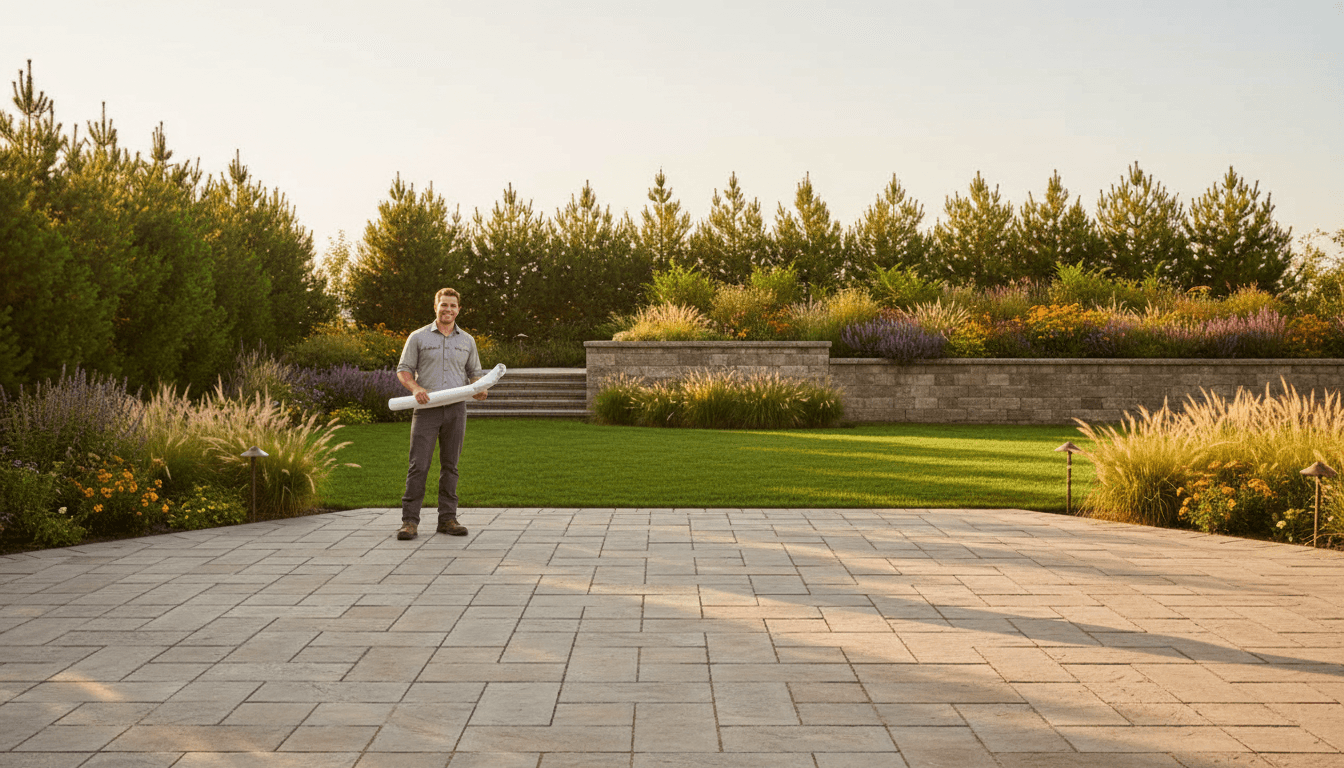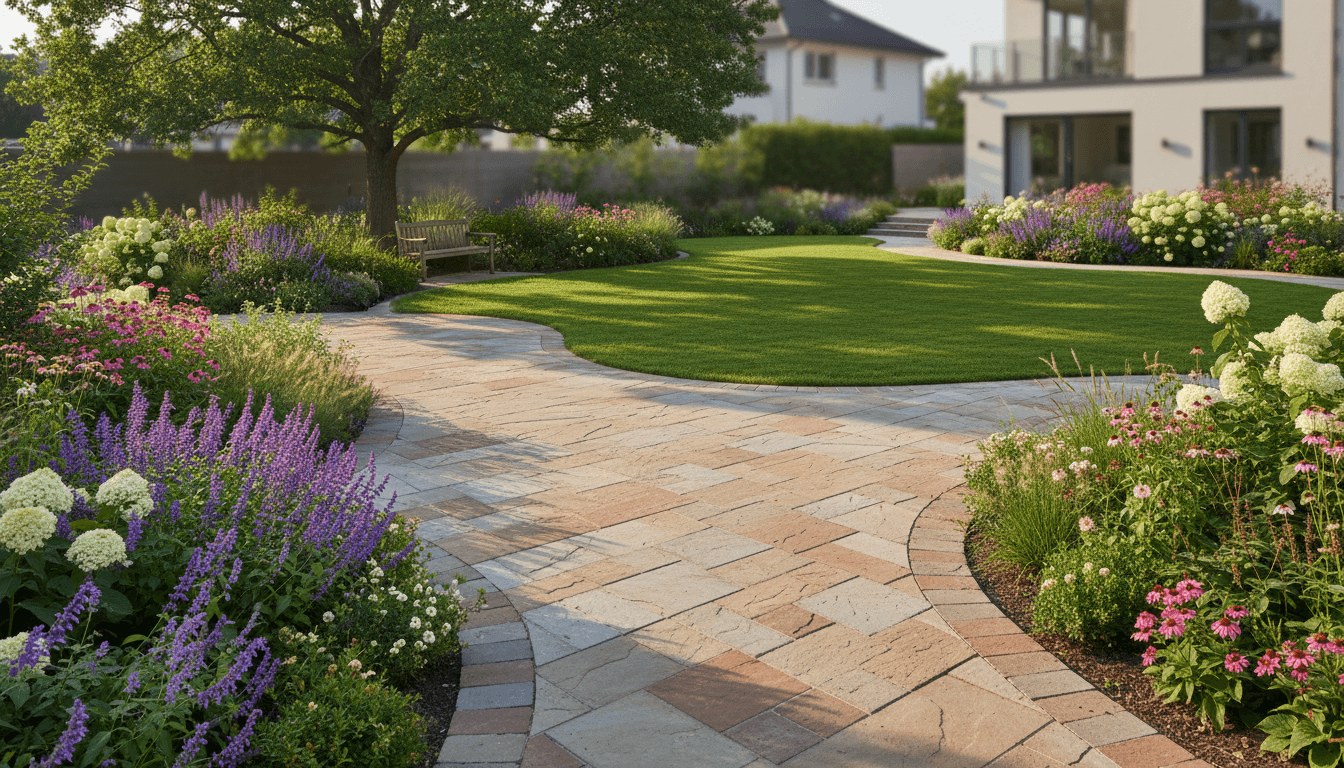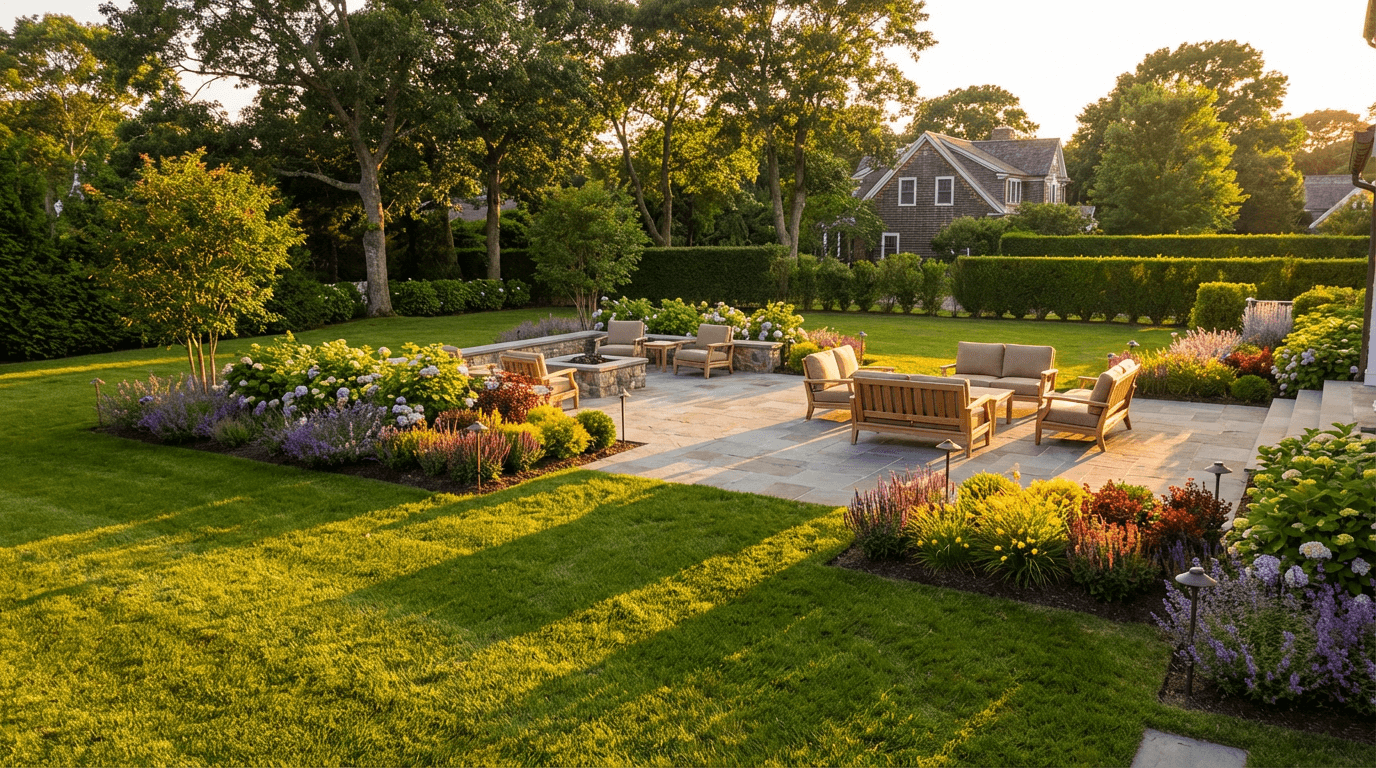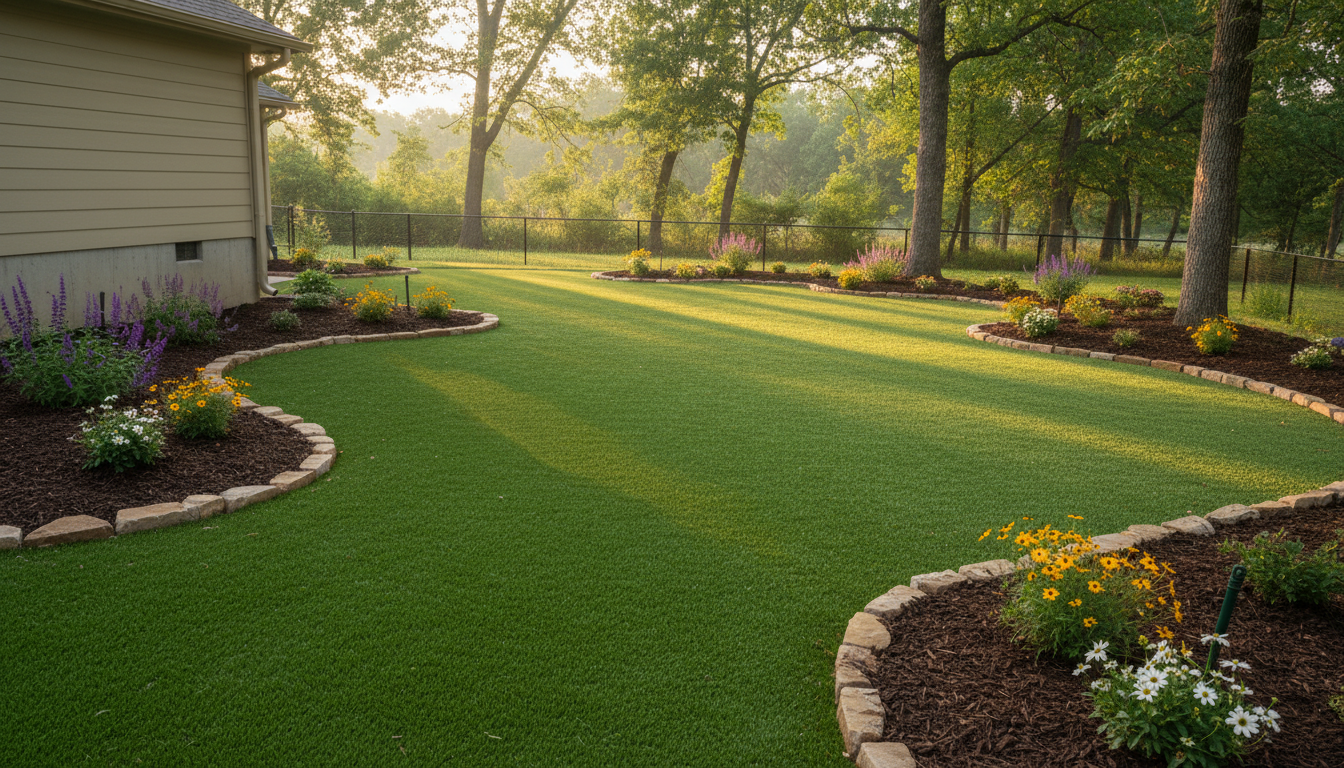
Effective privacy landscaping Utah utilizes layered designs featuring evergreen shrubs, drought-tolerant hedges, and climate-adapted trees to establish natural visual barriers. Property owners can achieve a secluded backyard retreat by integrating water-wise plantings that maintain dense foliage throughout the changing seasons.
Utah homeowners often find that as neighborhoods grow denser, the sense of seclusion in their own backyards begins to disappear. It is frustrating to feel exposed while hosting a family dinner or relaxing on the patio. A standard wooden fence provides a physical boundary, but it often lacks the height and aesthetic depth required for a true outdoor sanctuary. At Gobes Landscaping, we focus on sophisticated, living solutions that offer both beauty and complete privacy. This guide covers the essential strategies for creating a secluded retreat, including the layered design approach and the best evergreen species for the local climate. We will also discuss drought tolerant hedges for Fillmore landscapes, creative alternatives to traditional fencing, and specialized solutions for small yards. You will learn how to select, install, and maintain a vibrant privacy screen that withstands the Utah elements.
Why Privacy Landscaping is the Top Trend for Utah Homeowners
In Fillmore and throughout the state, the residential landscape is changing rapidly. As we move into 2026, smaller residential lots have become the standard for new developments, placing neighbors in closer proximity than ever before. This shift has driven a massive demand for privacy landscaping Utah homeowners can rely on to reclaim their personal space. The modern goal is no longer just a patch of grass; it is the creation of a secluded outdoor room that functions as a true extension of the home.
Strategic greenery does more than just shield your patio from a neighbor’s second story window. A well designed living buffer significantly reduces street noise and wind, creating a quiet microclimate that feels separate from the surrounding neighborhood. Beyond the immediate comfort, these installations are high yield investments that boost curb appeal and overall property value. While a generic vinyl fence provides a hard boundary, it often feels sterile or restrictive. In contrast, living walls composed of dense evergreens and structured shrubs offer a softer, more natural aesthetic. By choosing professional landscaping for residential and commercial properties, owners can move away from harsh, flat barriers and toward sustainable, breathable boundaries that enhance the local ecosystem while providing total seclusion.
The Layered Design Approach: The Smart Way to Block Neighbors
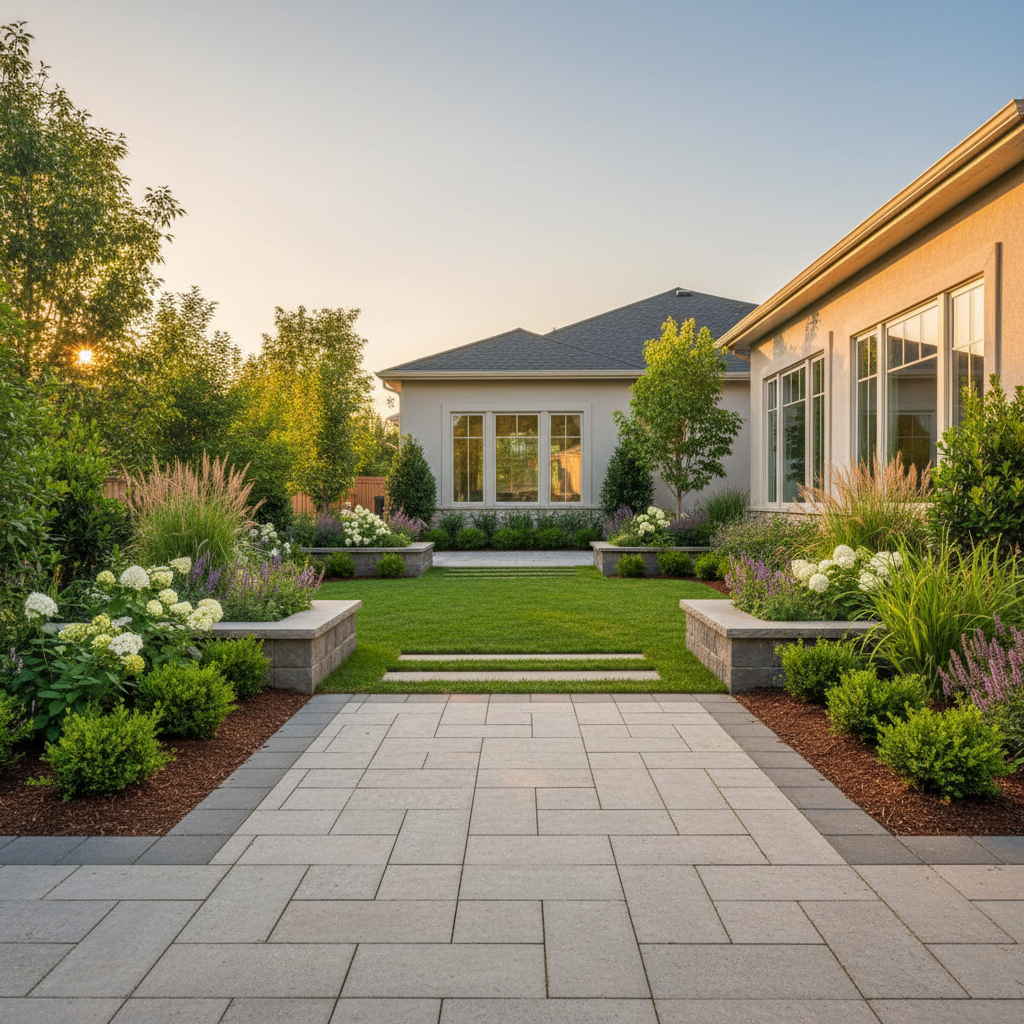
Moving beyond the traditional vinyl fence requires more than just planting a straight line of trees. While many homeowners initially gravitate toward a single row of identical evergreens, often called the soldier look, this approach can appear rigid and lacks the visual depth needed for a high end property. In Fillmore, a single species hedge is also risky; if a pest or disease hits that specific plant, your entire privacy screen could fail at once.
Layered landscaping is the most effective way to implement privacy landscaping Utah residents need for both beauty and function. This method involves staggering plants in rows of varying heights and depths. By mixing species, you create a dense, natural buffer that remains attractive even if one plant struggles. A successful screen typically incorporates three distinct layers:
The Canopy Layer: Tall evergreens or upright trees provide the primary height to block sightlines from neighboring second story windows.
The Mid-Level Layer: Structured shrubs such as English Buxus (boxwood), Irish yew, or Hicks yew offer the dense, year round coverage that fills the space between the ground and the tree canopy.
The Ground Layer: Lower perennials and ornamental grasses soften the transition to the lawn while adding seasonal color and texture.
This staggered arrangement creates a soft, inviting boundary that functions better than a hard fence. The varied foliage trap sound waves more effectively, helping to dampen street noise. Because this approach requires careful spacing to ensure each plant receives adequate light, ongoing maintenance programs are essential to prevent the layers from becoming overgrown or crowded, ensuring the investment continues to grow in value and density.
Best Evergreen Privacy Trees for the Utah Climate
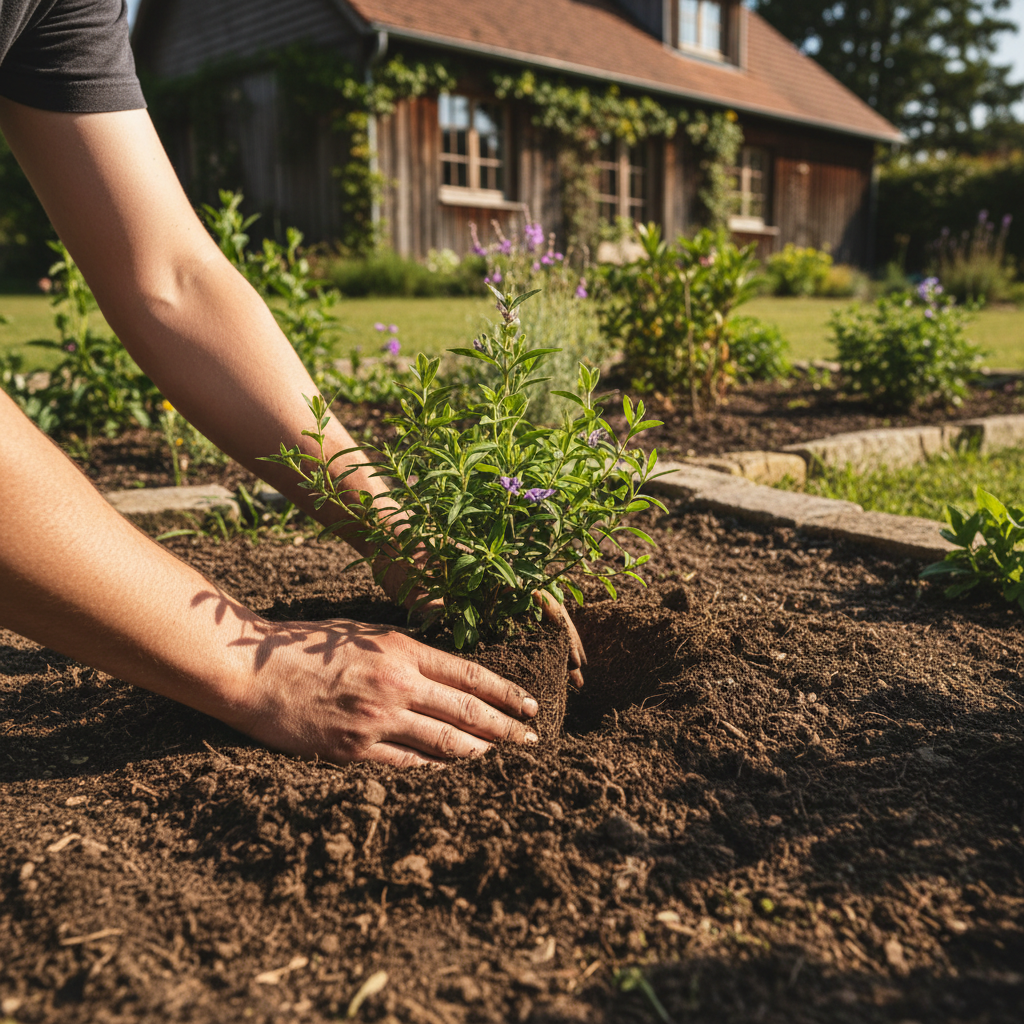
Selecting the right species for privacy landscaping Utah properties requires a balance between growth speed and long term maintenance. Evergreens are the backbone of any screening project in Millard County because they provide consistent, year round visual barriers. Deciduous trees may offer beauty in summer, but they leave your backyard exposed once the leaves drop in late autumn.
The most common debate for local homeowners is choosing between the Emerald Green and the Green Giant Arborvitae. The Emerald Green is a polished, compact choice that reaches about 12 to 15 feet in height with a 3 to 4 foot spread. It is ideal for smaller residential lots where space is at a premium. In contrast, the Green Giant is a powerhouse, often growing up to 3 feet per year. It can reach heights of 40 feet or more, making it better suited for large commercial perimeters or expansive rural estates where a massive windbreak is needed.
Tree Species | Growth Rate | Mature Width | Best Use Case |
|---|---|---|---|
Emerald Green Arborvitae | Slow/Medium | 3 - 4 ft | Tight property lines; tidy look |
Green Giant Arborvitae | Fast | 12 - 15 ft | Large lots; high-speed screening |
Blue Point Juniper | Medium | 6 - 8 ft | High wind areas; cold hardy |
Italian Cypress | Fast | 3 - 5 ft | Formal, vertical Mediterranean style |
For narrow side yards or areas near patios, the Blue Point Juniper offers a sturdy, pyramidal shape with a distinctive blue-green hue. It handles the Fillmore wind and cold exceptionally well. If the goal is a formal, architectural look, the Italian Cypress provides dramatic height with a very slim footprint. While the Leyland Cypress is often cited for its rapid growth, it requires a more consistent watering schedule than many Utah landscapes naturally provide. In the dry climate of Fillmore, this species can become stressed without precise irrigation. This is why professional landscaping for residential and commercial properties is recommended to ensure these thirsty trees receive the deep root hydration they need to thrive in our specific soil conditions.
Drought Tolerant and Water Wise Hedges for Fillmore Landscapes
In Fillmore, the challenge of privacy is often complicated by the reality of a high-desert climate. While many homeowners want a wall of green, installing high-water plants can lead to soaring utility bills and stressed vegetation. Choosing drought-tolerant species is a strategic move that aligns with the 2026 climate-adapted trends seen across the state and makes your property more compatible with Utah’s water-wise landscaping rebates.
For year-round screening that thrives in intense heat, the Arizona Cypress and its cultivar, the Carolina Sapphire, are exceptional choices. These trees are prized for their high heat tolerance and their ability to thrive on minimal supplemental water once their root systems are established. They offer a unique silvery-blue foliage that stands up to the Millard County sun without the browning often seen in less hardy species.
Species | Foliage Type | Water Needs | Height Range |
|---|---|---|---|
Arizona Cypress | Evergreen | Very Low | 20 - 30 ft |
Carolina Sapphire | Evergreen | Very Low | 20 - 25 ft |
Silver Buffalo Berry | Deciduous | Low | 6 - 12 ft |
Common Lilac | Deciduous | Moderate | 8 - 15 ft |
If the design allows for seasonal privacy, hardy shrubs like the Silver Buffalo Berry or traditional Lilacs are excellent additions to privacy landscaping Utah homeowners can manage sustainably. The Silver Buffalo Berry is a native plant that is incredibly tough and provides a dense, silvery barrier. Lilacs grow thick enough to block views during the spring and summer months when outdoor activity is at its peak. Utilizing these species as part of professional landscaping for residential and commercial properties ensures a resilient border that respects the local environment. To plan a water-wise installation that meets local rebate requirements, contact Gobes Landscaping to discuss a design tailored to your specific soil and sun exposure.
How to Create Privacy Without a Fence
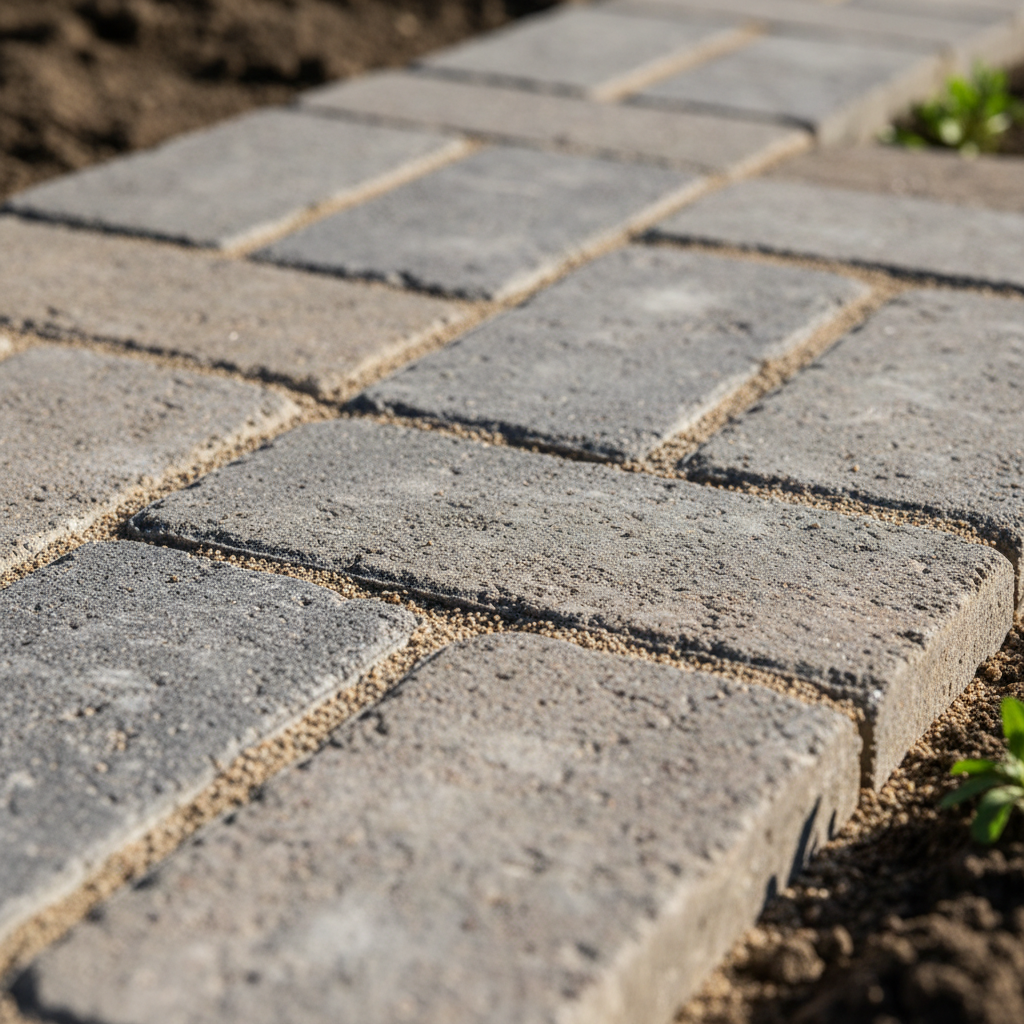
Creating a secluded space does not always require a traditional boundary wall or vinyl panels. For homeowners asking how to create privacy in their backyard without a fence, the solution lies in combining hardscape structures with vertical greenery. A pergola installed over a patio serves as a structural anchor. When paired with climbing vines such as Clematis or Honeysuckle, it creates a living ceiling that blocks views from above while allowing airflow. This approach is particularly effective for those who want to maintain an open feel while securing their perimeter.
Freestanding privacy screens offer a more modern, architectural alternative. These can be made of laser cut metal or stained wood and placed strategically to shield specific areas like a hot tub or dining nook. To add immediate density, large container plants can be moved as needed to fill gaps during the growing season. Strategic height is often the biggest challenge in newer Fillmore developments where houses are built close together. Using raised garden beds is a practical way to gain an extra two or three feet of elevation for your shrubs. This additional height is often the difference between being exposed to a neighboring second story window and having a truly private retreat. Implementing these multi functional elements is a core part of effective privacy landscaping Utah residents can use to customize their properties. For those ready to design a custom layout, you can contact Gobes Landscaping to explore site specific options.
Privacy Solutions for Small Backyards and Patios
Limited footprint does not have to mean limited privacy. In many Fillmore townhomes and smaller residential lots, horizontal space is the primary constraint. To achieve height without losing your entire patio to foliage, select cultivars with a fastigiate (upright and narrow) growth habit. The Skyrocket Juniper is a standout for these scenarios, reaching 15 to 20 feet in height while maintaining a slim 2 to 3 foot width. Similarly, the Hicks Yew is a reliable choice for areas with more shade, providing a dense, dark green screen that stays tightly columned. Utilizing these vertical elements is an effective way to implement privacy landscaping Utah homeowners can enjoy even on small patios.
For the most compact environments, vertical garden walls allow you to grow herbs or succulents upward, turning a blank wall into a functional living tapestry. Combining these plants with decorative laser cut metal screens adds a layer of artistry that breaks up sightlines without the heavy visual weight of a solid wall. This balanced approach creates a private sanctuary that feels intentional rather than enclosed. Implementing these precise designs is a key part of the professional landscaping for residential and commercial properties we provide. If you are working with a tight space, contact Gobes Landscaping to discuss a customized vertical layout.
Maintaining Your Living Privacy Screen
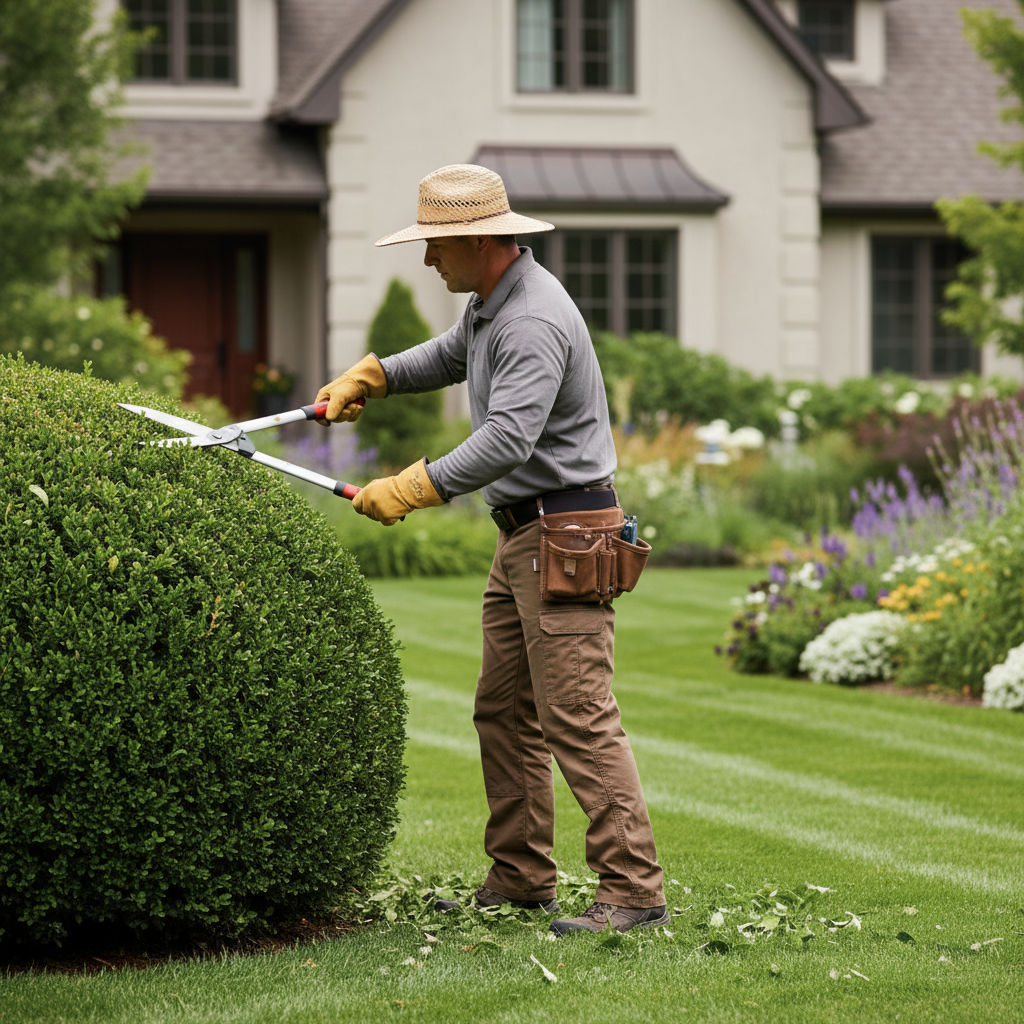
A living barrier is a long term investment that requires consistent care to maintain its density and health. Proper pruning is the most critical task for ensuring privacy landscaping Utah homeowners can rely on year after year. For species like English Buxus or Hicks Yew, professional pruning encourages lateral growth. This specialized technique fills in gaps and prevents the screen from becoming leggy or sparse at the base. Timing these cuts correctly ensures the plant has enough energy to recover before the winter frost or the peak summer heat.
In the arid climate of Fillmore, moisture management is vital for plant survival. Applying a three to four inch layer of organic mulch around the root zone helps regulate soil temperature and significantly reduces water evaporation. This practice protects the delicate root systems of younger evergreens as they establish their footprint. Regular seasonal inspections are also necessary to identify early signs of spider mites or scale, which can spread quickly through a dense, interconnected hedge.
Managing these tasks requires a consistent schedule and specialized tools. Through our ongoing maintenance programs, we monitor soil moisture, perform seasonal thinning, and apply necessary nutrients to keep your screen vibrant. If you need assistance protecting your green investment, you can contact Gobes Landscaping to ensure your living wall remains a healthy, functional boundary for years to come.
Creating a private oasis in Utah is all about balancing the right local foliage with smart structural placement. When you choose the right trees and screens, you turn a simple yard into a quiet sanctuary for your family to enjoy. If you find that you want expert help designing your perfect retreat, our team is ready to assist. You can read more About our philosophy and our unique approach to sustainable landscaping to see how we help homeowners achieve their vision.