
Effective spring lawn care Utah involves aerating soil to relieve compaction and applying fertilizer between early March and April to jumpstart growth. Homeowners should also begin a weekly mowing routine at a slightly higher height to protect developing roots; these steps ensure a healthy and resilient landscape for the upcoming season.
As the snow melts away from the Pahvant Range, many Fillmore homeowners are greeted not by a lush carpet of green, but by the discouraging sight of matted, straw-colored turf. It is a common frustration in Millard County, where our high desert climate puts immense stress on cool-season grasses during the winter transition. Simply waiting for the sun to do the work is rarely enough to achieve the professional results you expect from your property. At Gobes Landscaping, we understand that a resilient lawn requires a calculated approach to spring recovery. This guide outlines the essential steps to revitalize your yard, including how to distinguish dormancy from damage, the technical nuances of high-desert aeration, and the precise timing for your first fertilizer application. We will also cover irrigation startups to ensure your system is ready for the coming heat.
Transitioning Your Millard County Lawn from Winter to Spring
Spring in Millard County brings a unique set of challenges that generic state-wide guides often overlook. In the 84631 zip code, our high desert climate creates a volatile transition where heavy snowmelt frequently collides with parching winds. This environment can dehydrate grass blades even as the ground remains saturated. While lawn care articles written for Salt Lake City might suggest starting your routine in early March, Fillmore residents must exercise more patience. Our local frost dates vary significantly, and jumping the gun can stress a lawn that hasn't fully exited dormancy.
Success with spring lawn care Utah depends on understanding our specific soil profile. Most properties in the Fillmore area contend with alkaline conditions and heavy clay. These factors lead to poor drainage and nutrient lockout if not managed correctly. Providing reliable professional landscaping requires adjusting your strategy to accommodate these local conditions. Instead of following a calendar meant for the Wasatch Front, watch for consistent soil warming. The Gobes Landscaping team recommends waiting until the ground is workable and the threat of a hard freeze has passed before initiating heavy maintenance. If you are unsure about the state of your turf, you can contact us for a lawn assessment to determine the best path forward for your specific property.
Is It Dead or Just Dormant? Assessing Your Utah Turf
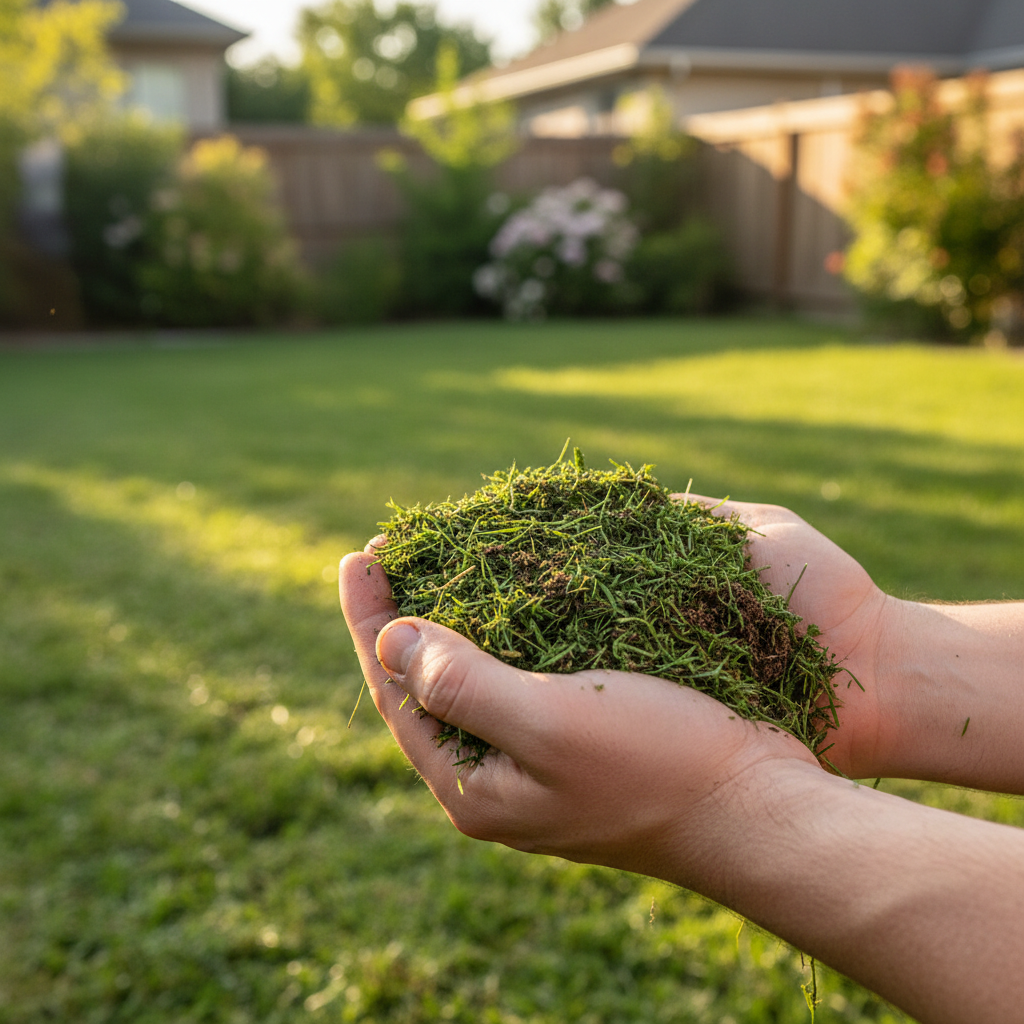
Before you assume your lawn didn't survive the Fillmore winter, you must distinguish between true winter kill and simple dormancy. Kentucky Bluegrass and Tall Fescue, the staples of spring lawn care Utah, are cool-season grasses designed to shut down when temperatures drop. This biological defense mechanism allows the grass to conserve energy in its crown, which is the vital growing point located just above the soil surface.
Homeowners often ask how long grass can remain dormant. In Millard County, these varieties can stay in this protective state throughout the entire winter and even into a dry, late spring without dying. To determine if your lawn is still alive, perform a tug test. Grab a handful of brown blades and pull firmly. If the grass resists and stays anchored, the root system is likely healthy. If the clump pulls out effortlessly with no resistance, you may be looking at winter kill or root rot.
For a more definitive check, perform a crown inspection. Dig up a small, inconspicuous plug of grass and peel back the brown outer leaves to look at the base. A living, dormant plant will have a crown that is firm and white or light green. If the crown is shriveled, brown, and brittle, that specific patch has likely perished. Most lawns in our area are simply waiting for the soil temperature to consistently reach 50 degrees Fahrenheit. The Gobes Landscaping team advises waiting for the biology of the plant to catch up with the weather before taking drastic measures like re-sodding.
Step 1: The Essential Spring Cleanup and First Mow

Once you have confirmed your lawn is healthy and waking up, the physical work begins with a thorough cleanup. Winter winds in Millard County often deposit sagebrush debris, stray leaves, and trash across your yard. Clearing this material is essential to prevent snow mold, which appears as matted, crusty, or fuzzy patches of grass. Gently raking these areas breaks up the matting, allowing air to circulate and the crown to breathe. Proper cleanup is a vital part of spring lawn care Utah because it eliminates the damp microclimates that invite fungal diseases during Fillmore’s cool, humid spring mornings.
Your first mow of the season requires a tactical shift from your mid-summer routine. While you usually want to keep grass long to shade the soil in July, the initial spring cut should be slightly lower than usual. Setting your blade to approximately two inches helps remove the dead, brown tips left over from winter. This allows sunlight to reach the soil surface more effectively, warming the ground and stimulating growth. However, the Gobes Landscaping team cautions against scalping or cutting into the white part of the stem. Removing more than one-third of the blade height at once can shock the plant. For larger properties requiring reliable professional landscaping services, ensuring a sharp blade and correct deck height is the first step toward a lush, resilient lawn.
Step 2: Aeration and Overseeding in Fillmore's High Desert Soil
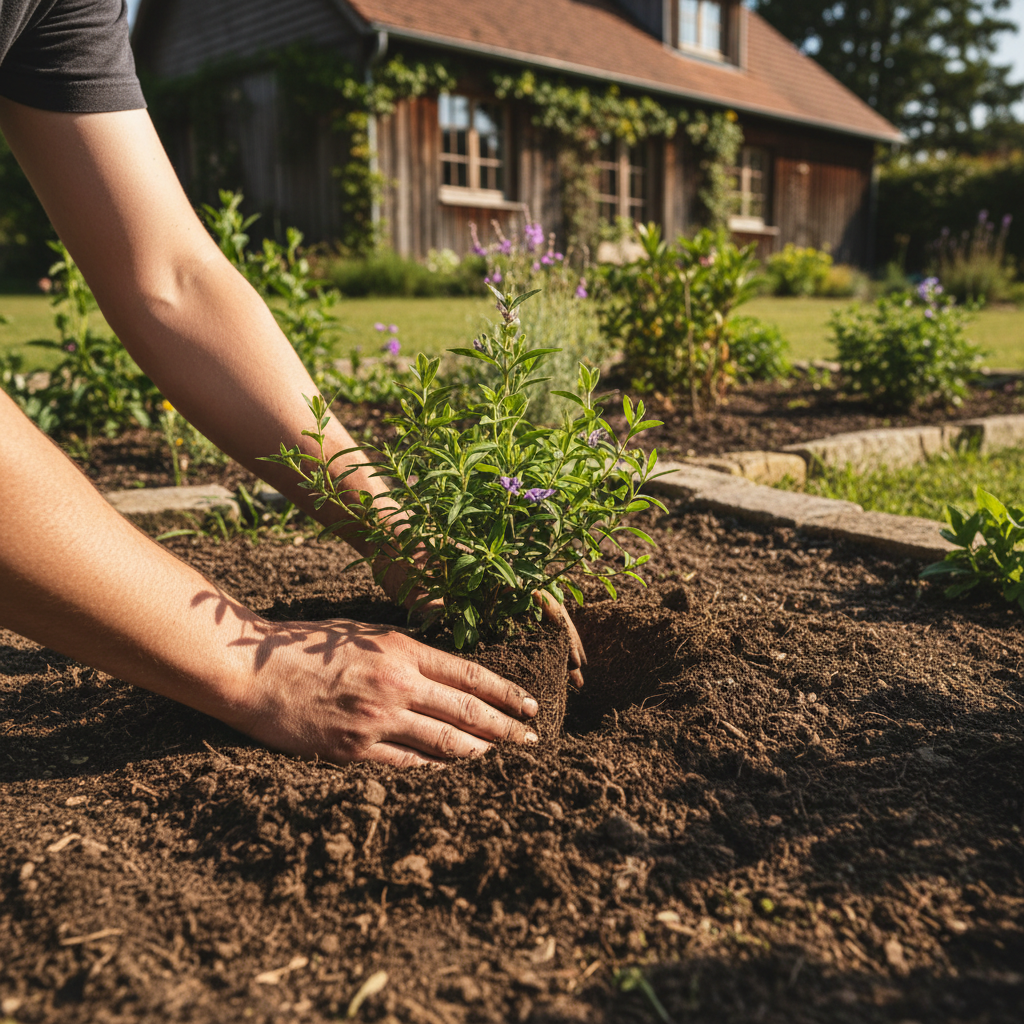
Compaction is a persistent challenge for Millard County properties, where heavy clay soils naturally resist the flow of water and oxygen. Over the winter, the weight of snowpack compresses these soil particles, creating a dense barrier that prevents roots from expanding. To address this, core aeration is far superior to spike aeration. While spikes simply push soil aside and can actually increase density around the puncture site, core aeration removes physical plugs of turf and soil. This process creates immediate pathways for nutrients to reach the root zone, which is essential for reliable professional landscaping in our high desert environment.
The ideal window for aeration and overseeding in Fillmore is between April and early May. Performing these tasks during this period allows new grass to establish a resilient root system before the intense summer heat arrives. If your lawn appears thin or has patches that failed the dormancy check, overseeding is the most practical way to restore density. However, germinating seed in Millard County requires diligent moisture management. Our dry winds can dehydrate the soil surface in a matter of hours, killing off new sprouts before they take hold.
To ensure success with spring lawn care Utah, the Gobes Landscaping team recommends applying a light layer of mulch, such as peat moss or fine compost, over the seeded areas. This topdressing acts as a protective blanket, retaining moisture and shielding the seeds from the sun. If you are uncertain about the compaction levels of your soil, you can contact us for a lawn assessment to determine if your property requires deep-core aeration to thrive this season.
The Utah Lawn Fertilizer Schedule: What and When to Apply

One of the most frequent questions we hear at Gobes Landscaping is, "When should I start fertilizing my lawn in Utah?" The answer depends heavily on the ground temperature in Fillmore. For our specific high desert climate, the first application should typically occur in late March or early April, once the soil has consistently thawed and the grass begins its initial growth spurt.
This early spring application serves two purposes: providing a light nitrogen boost and applying a pre-emergent herbicide. Pre-emergents are critical for controlling crabgrass before it has a chance to sprout. However, the Gobes Landscaping team reminds homeowners of a vital conflict: you cannot use pre-emergent in areas where you plan to overseed. The same chemicals that prevent weed seeds from germinating will also kill your new grass seed. If your priority is thickening a thin lawn, prioritize seeding and skip the pre-emergent until the new grass is well established and has been mowed at least three times.
Understanding the difference between fertilizer types is essential for maintaining reliable professional landscaping results. During the early spring, a small amount of quick-release nitrogen can help the lawn green up rapidly. As we approach the second application around Memorial Day, switching to a slow-release formula is preferred. Slow-release fertilizers break down gradually, providing a steady stream of nutrients that helps the turf build up strength before the intense July heat arrives.
Application Timing | Primary Objective | Fertilizer Type |
|---|---|---|
Late March / Early April | Weed prevention and initial green-up | Pre-emergent + Light Nitrogen |
Late May (Memorial Day) | Building root strength for summer | Slow-release Nitrogen |
Late August / September | Fall recovery and storage | High Potassium / Nitrogen |
Properly timing these nutrients ensures your grass has the fuel it needs without causing excessive growth that requires constant mowing. If you are unsure which product matches your specific soil type, you can contact us for a lawn assessment to create a customized nutrient plan for your property. Effective spring lawn care Utah requires this balanced approach to prevent nutrient runoff while maximizing turf density.
Waking Up Your Irrigation System: Watering Tips for Fillmore Residents
Once your fertilizer is applied, the temptation is to immediately saturate the ground. However, a common mistake in spring lawn care Utah is starting the irrigation system too early. In Millard County, the soil stays cold well into April. Overwatering during this time keeps the root zone saturated and oxygen-deprived, which often leads to root rot or fungal infections before the grass has a chance to thrive.
When considering how often should i water my lawn in utah, the focus must shift from frequency to depth. Our low humidity and dry winds quickly evaporate light surface misting. The Gobes Landscaping team recommends a deep and infrequent watering philosophy. This method involves applying enough water to penetrate approximately six inches into the soil, then allowing the top inch to dry out before watering again.
For a typical Fillmore spring, watering one to two times per week is usually sufficient, depending on local rainfall. This approach forces roots to grow deeper in search of moisture, building the skeletal strength needed to survive the intense July heat. If you are concerned about your system’s coverage or want to ensure your property receives reliable professional landscaping care, you can contact us for a lawn assessment to calibrate your irrigation timing for the season.
Common Spring Lawn Pests and Diseases in Millard County
Correct moisture levels do more than just hydrate; they are your primary defense against the pests and diseases that emerge as the soil warms. In Millard County, Billbugs are a frequent spring threat. Their larvae feed on the grass crowns, causing small, localized brown spots. You can identify their presence by looking for frass, which resembles fine sawdust, at the soil surface. Another common issue for spring lawn care Utah is Necrotic Ring Spot (NRS). This fungal disease creates circular dead patches, often leaving a small tuft of healthy grass in the center, known as a frog-eye pattern.
Identifying these problems early prevents them from devastating your turf by June. The Gobes Landscaping team advocates for a preventative approach through proper maintenance. Keeping your mower blade high and sticking to a deep, infrequent watering schedule makes the grass resilient against fungal pathogens. If you notice unusual thinning or discoloration that doesn't resolve with proper watering, you can contact us for a lawn assessment to diagnose the issue. Providing reliable professional landscaping means using these sustainable cultural practices to manage pests rather than relying solely on heavy chemical interventions.
Waking up your Fillmore lawn requires patience and the right sequence of care. By focusing on aeration, fertilization, and mindful watering now, you set the foundation for a healthy landscape all summer long. If you find yourself short on time or simply want expert help to ensure your grass reaches its full potential, our team is here to support you. You can explore our Services to see how we can handle the heavy lifting while you enjoy the results. Taking these steps today ensures a vibrant, stress-free outdoor space for the months ahead.