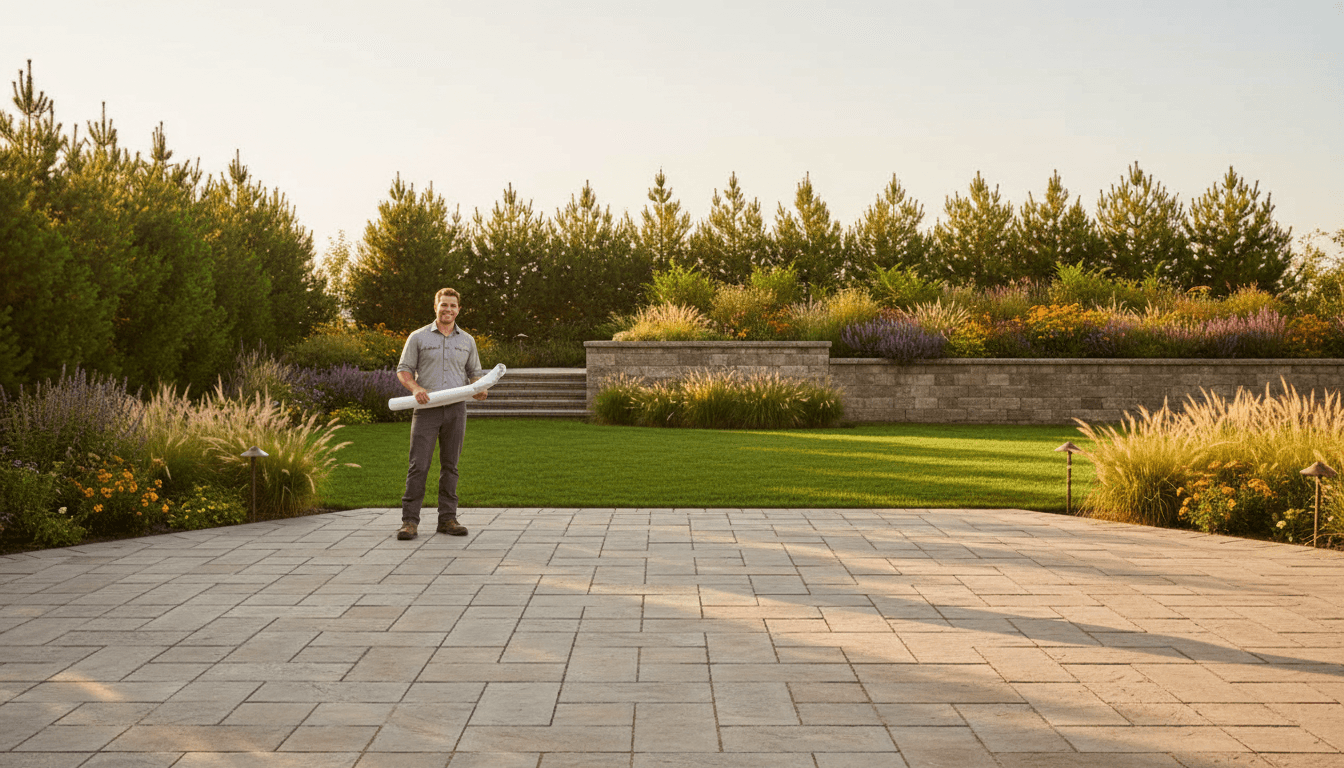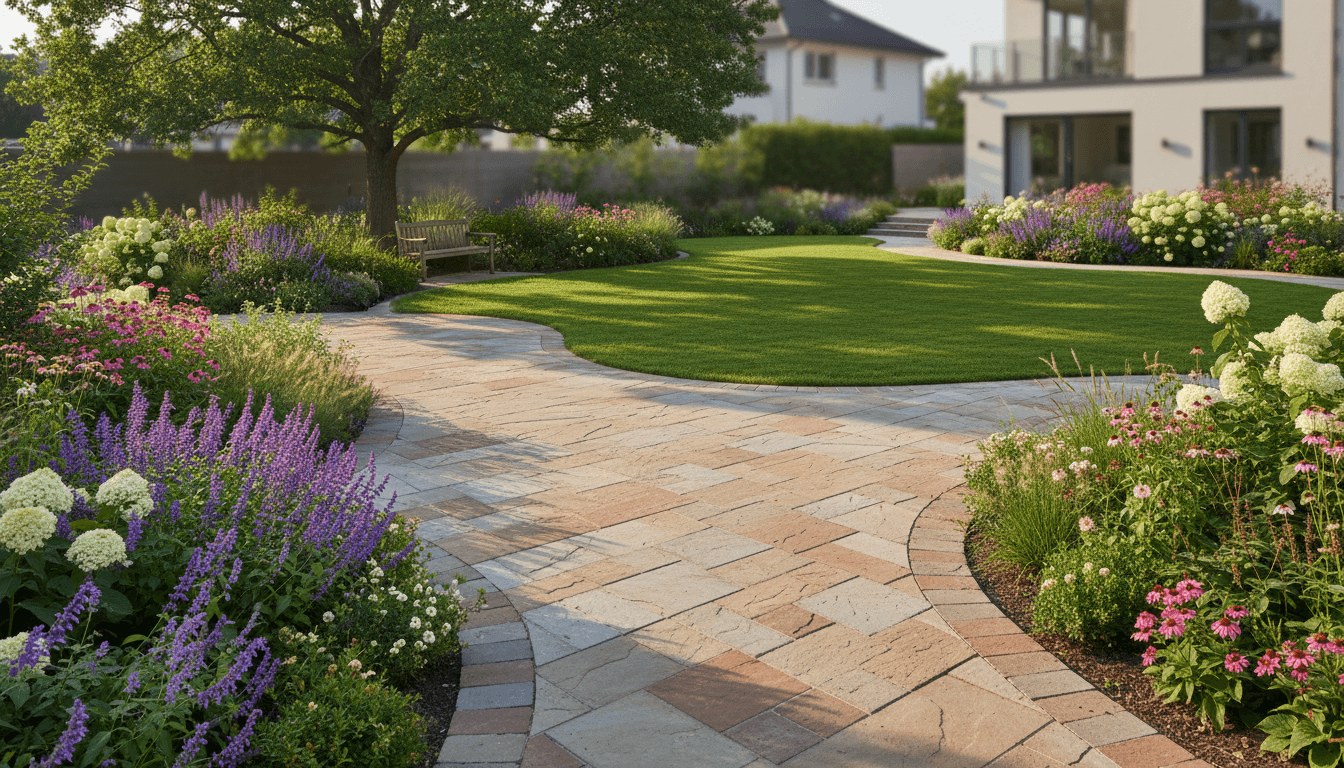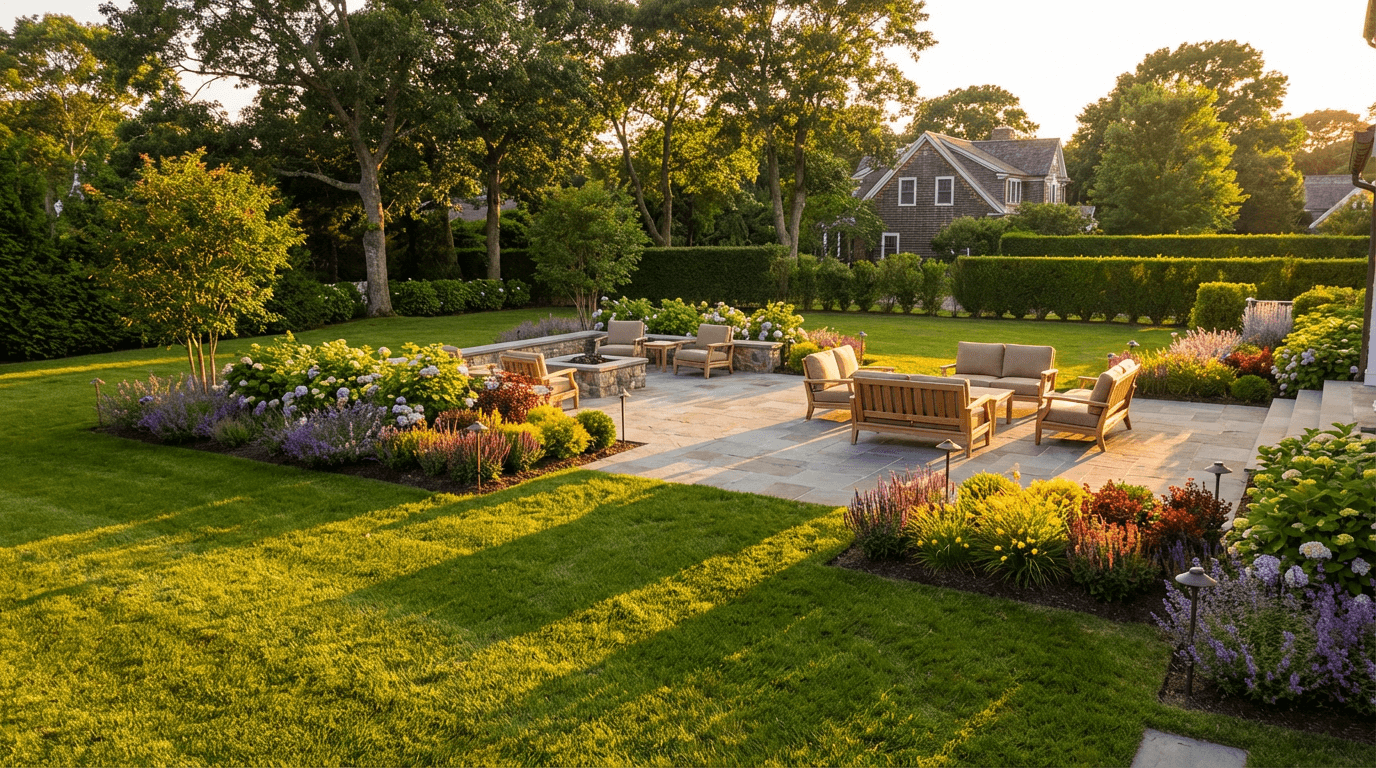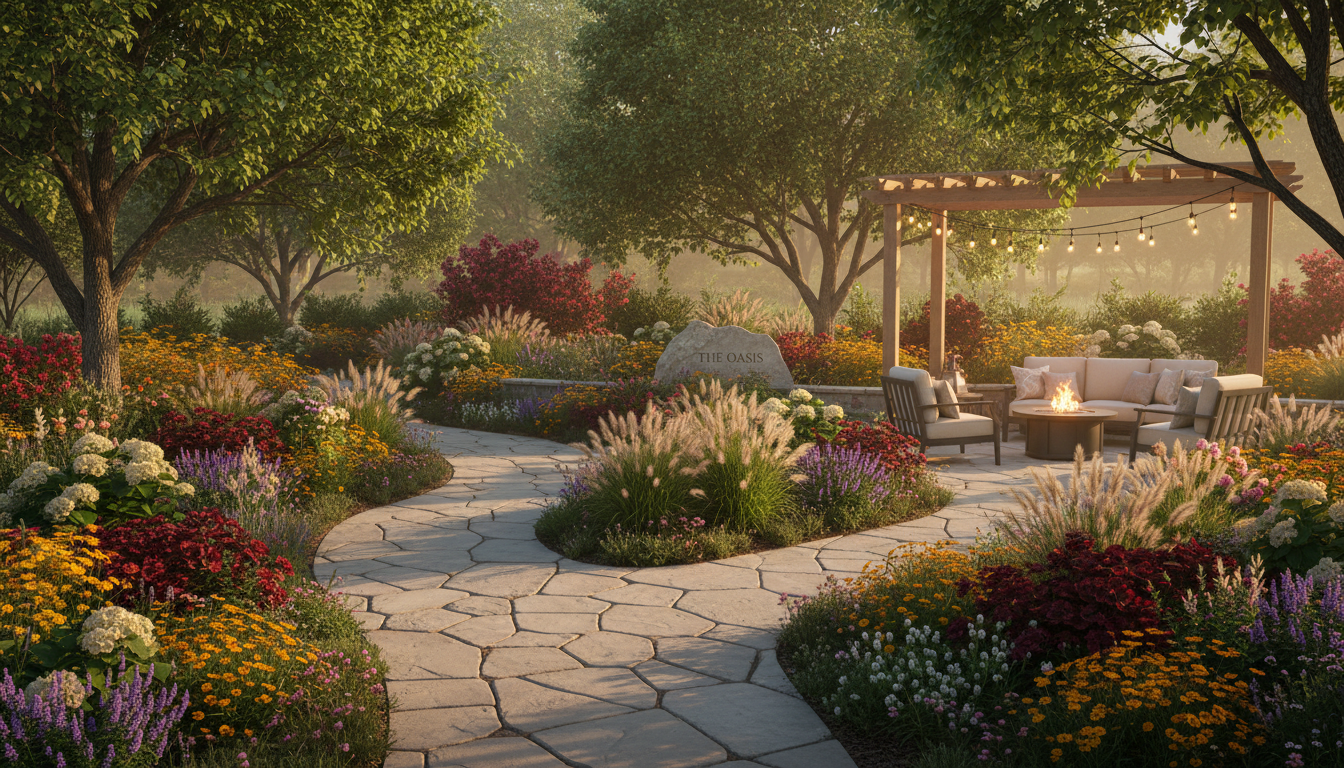
Xeriscaping Utah involves creating sustainable, water-wise landscapes by utilizing drought-tolerant native plants like lavender, Russian sage, and yarrow to thrive in a high desert climate. This method significantly reduces the need for irrigation and maintenance while preserving a lush, green aesthetic through sound horticultural practices.
Living in Utah's high desert often feels like a losing battle against the sun, especially when you are watching your lawn turn brown despite a rising water bill. Maintaining a traditional turf yard in our arid climate is not only expensive, but it also demands a level of upkeep that rarely yields the lush results you want. Xeriscaping offers a sophisticated alternative that balances environmental responsibility with high-end aesthetics. This guide moves beyond the misconception that low-water yards are just collections of gravel. We will examine the seven core principles of xeriscaping, strategies for creating visual volume, and the best plant varieties for the Fillmore and Central Utah regions. You will also find practical advice on navigating local rebates and maximizing your return on investment. Transforming your property into a resilient, green oasis starts with understanding how to work with our unique landscape.
Understanding High Desert Xeriscaping in Utah: It is Not Just Rocks

Living in Fillmore means navigating a climate of extremes. High desert landscaping requires a balance between surviving triple digit summer days and sub zero winter nights. Many homeowners hesitate to explore xeriscaping Utah properties because they associate the term with "zeroscaping," a stark, barren look consisting entirely of gravel and a lone cactus.
In reality, xeriscaping is a science based approach to sustainable beauty. It is not just rocks. A well executed plan uses local precipitation patterns to create a thriving environment. At Gobes Landscaping, we focus on "lush" xeriscaping. This method prioritizes water wise plants that provide significant volume, varying textures, and seasonal color. By selecting species adapted to our cold winters and arid summers, we can build a yard that feels full and inviting without the massive water bill associated with traditional turf.
Successful installation starts below the surface. Fillmore homeowners often deal with unique soil conditions, such as heavy clay or high alkalinity, which can stifle plant growth if left unaddressed. We utilize specific soil amendments to improve drainage and nutrient availability before a single plant goes in the ground. If you are looking for professional landscaping services that go beyond simple rock placement, understanding these local soil requirements is the first step toward a functional, beautiful yard. For more foundational tips on sustainable yards, you can also view our guide on Low Maintenance Landscaping for Utah Homeowners to see how these elements come together.
The Seven Principles of a Successful Utah Xeriscape
To achieve a landscape that feels lush rather than barren, we follow seven core principles adapted specifically for the Millard County environment. These steps ensure that xeriscaping Utah properties results in a functional ecosystem rather than a collection of scattered plants. When these elements are integrated, the yard avoids the sparse, unfinished look common in amateur installations.
Plan and Design: We utilize hydrozoning, which involves grouping plants by their specific water requirements. By placing thirstier species in sheltered zones and drought hardy plants in exposed areas, we ensure no water is wasted on plants that do not need it.
Soil Improvement: Fillmore soil often struggles with heavy clay or high alkalinity. We incorporate organic amendments to improve drainage and aeration, allowing roots to grow deep enough to survive temperature swings.
Efficient Irrigation: We prioritize drip irrigation over traditional overhead sprays. In our windy climate, overhead water frequently evaporates or drifts onto the pavement; drip lines deliver moisture directly to the root zone where it is needed most.
Practical Turf Areas: Grass should be treated as a functional rug rather than wall to wall carpeting. We recommend keeping small, manageable lawn areas for children or pets while surrounding them with vibrant, low water beds.
Mulching: We select mulch based on the plant's needs. Organic wood mulch is excellent for cooling the soil and adding nutrients, while stone mulch is ideal for heat loving native species that require sharp drainage.
Low Water Plants: Using regional favorites like Lavender or Russian Sage provides immediate volume and color without a high water cost.
Maintenance: Even the best designs require seasonal checkups to ensure irrigation lines remain clear and weeds are managed.
By following these principles, we create density. Proper soil preparation and targeted irrigation allow plants to reach their full size quickly, filling in the gaps that often make xeriscaped yards look like construction sites. If you are ready to transition your property, you can contact Gobes Landscaping to discuss a custom design. Using these proven methods, our professional landscaping services ensure your yard remains a valuable asset for years to come.
Designing for Volume: How to Make Low Water Yards Look Full and Inviting

A common mistake in xeriscaping Utah properties is leaving too much space between plants, which leads to a barren, unfinished look. To solve this, we apply the "rule of 3" in our designs. Grouping plants in odd numbers, such as three, five, or seven, prevents the landscape from looking like a rigid grid. Odd numbers trick the eye into seeing a cohesive, natural mass rather than individual, lonely stems scattered across a bed.
Volume also comes from intentional vertical layering. We design beds by placing tall elements, such as Feather Reed Grass or Rabbitbrush, at the back or center of the zone. The middle layer should feature medium-height shrubs like Russian Sage or Lavender, which provide seasonal color and bulk. Finally, we finish the front edges with low-growing groundcover or ornamental grasses like Blue Fescue. This tiered approach mimics natural plant growth patterns found in the high desert, creating a sense of depth and abundance.
Structural elements are equally essential for adding mass without increasing your water bill. We often incorporate local boulders, gravel paths, or flagstone pavers to provide permanent visual weight to a design. A large, well-placed rock acts as a focal point, filling space that would otherwise require several thirsty plants. The result should look like a curated garden rather than a construction site. By layering height and integrating hardscape, your yard feels full and established from the moment the project is complete. If you want a professional eye to help with your design, you can contact Gobes Landscaping to plan a layout that maximizes visual impact.
Top Xeriscape Plants for Fillmore and Central Utah Landscapes
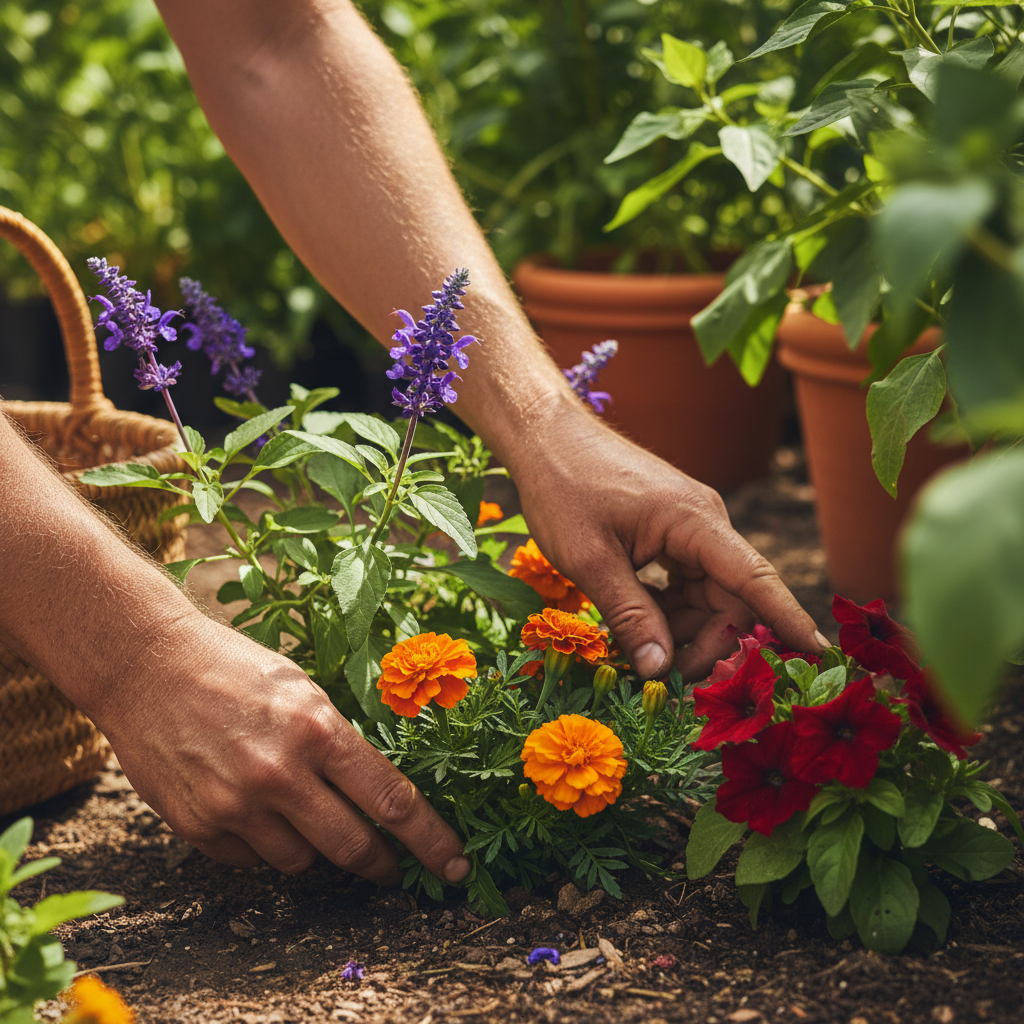
Choosing the right species is the difference between a landscape that survives and one that thrives. For xeriscaping Utah yards, especially in the Fillmore area, you need plants that tolerate alkaline soil and drastic temperature shifts. Success relies on selecting varieties that can handle both the scorching July sun and the deep freezes of January.
For height and consistent color, Lavender and Russian Sage are unbeatable staples. These woody perennials offer deep purple hues and aromatic foliage while requiring almost no supplemental water once established. To support local pollinators, we recommend incorporating Yarrow and Coneflower. Yarrow is incredibly resilient and spreads easily to fill gaps, while Coneflowers provide a sturdy, structural bloom that lasts through the peak of summer heat.
Texture is vital to prevent a flat, two dimensional appearance. Blue Fescue creates small, silver-blue mounds that contrast beautifully against dark mulch; Feather Reed Grass adds vertical movement as it catches the afternoon breeze. For homeowners seeking a truly authentic high desert aesthetic, we often integrate Utah natives like Rabbitbrush, which explodes into yellow blossoms in late summer, or the Desert Willow, a hardy small tree that offers orchid like flowers with very little water.
Be cautious when shopping at national big box retailers. These stores often stock plants labeled as drought tolerant that are actually water guzzlers in the Fillmore climate. Certain varieties of Hydrangea or popular ornamental shrubs may be mislabeled for our zone, leading to plant failure during a typical dry spell. Relying on regional expertise ensures you select varieties proven to handle our specific environment. If you need assistance selecting or installing the right varieties for your property, our professional landscaping services are designed to help you avoid these common pitfalls. You can also contact Gobes Landscaping to get a customized plant list tailored to your specific lot.
The True Cost of Xeriscaping in Utah: Rebates and ROI
Transitioning to a water wise yard requires an upfront investment that typically exceeds the price of simply laying sod. While sod is relatively inexpensive to purchase, the labor involved in proper soil preparation, diverse plant selection, and specialized drip irrigation for a sustainable landscape reflects a higher initial expense. In the Fillmore area, homeowners should expect professional installation costs to range between $8 and $18 per square foot. This price varies based on the volume of plants used and the inclusion of structural hardscaping like boulders or pavers.
To offset these expenses, several incentives are available through state programs. The Utah Water Savers initiative provides rebates for residential projects that replace thirsty turf with water efficient designs. Local programs, such as Flip Your Strip, offer cash incentives specifically for parkway improvements. These rebates, combined with a 50% to 70% reduction in monthly water bills, ensure a strong return on investment within just a few seasons. If you are comparing budgets, our guide on Low Maintenance Landscaping for Utah Homeowners breaks down how these choices impact long term care.
At Gobes Landscaping, we prioritize high quality materials and proper soil amendments to ensure your project thrives for decades. Investing in professional landscaping services now prevents the recurring costs of replacing failed plants or repairing inferior irrigation lines later. For a detailed quote on xeriscaping Utah properties, you can contact Gobes Landscaping to review your specific lot requirements.
Managing Your High Desert Yard: Maintenance Tips for Longevity
Low maintenance does not mean no maintenance. To protect the investment you have made in xeriscaping Utah property, you must follow a consistent seasonal schedule. In late winter, before new growth begins, prune woody perennials like Russian Sage and Lavender to prevent them from becoming leggy or split. As the ground thaws in Fillmore, inspect your irrigation system. Drip emitters can become clogged with mineral deposits or crack after a hard freeze; clearing these lines early prevents plant stress when the heat arrives.
A common disadvantage cited by homeowners is weed growth within gravel beds. This usually occurs because of low quality landscape fabric or windblown seeds settling in accumulated dust. At Gobes Landscaping, we solve this by using commercial grade woven geotextiles rather than thin plastic liners. We also recommend maintaining a mulch depth of at least three to four inches to block sunlight from reaching the soil. Refreshing organic mulch every two years helps retain moisture and suppress invasive growth. If you need help developing a plan to keep your yard looking sharp, contact Gobes Landscaping for expert advice. Our professional landscaping services ensure your high desert yard remains functional and beautiful through every season.
Creating a beautiful Utah landscape does not require high water bills or constant maintenance. By utilizing native plants and smart xeriscaping techniques, you can build a yard that thrives in our unique high desert climate while remaining lush. If you find the planning process a bit overwhelming, or if you simply want expert help to bring your vision to life, we are here to guide you. You can learn more About our team to see how we help homeowners design sustainable outdoor spaces. Let us help you transform your property into a resilient, waterwise oasis.